**
UK Faces Record Number of State-Sponsored Cyberattacks as AI Narrows Attack Timeline from Days to Minutes
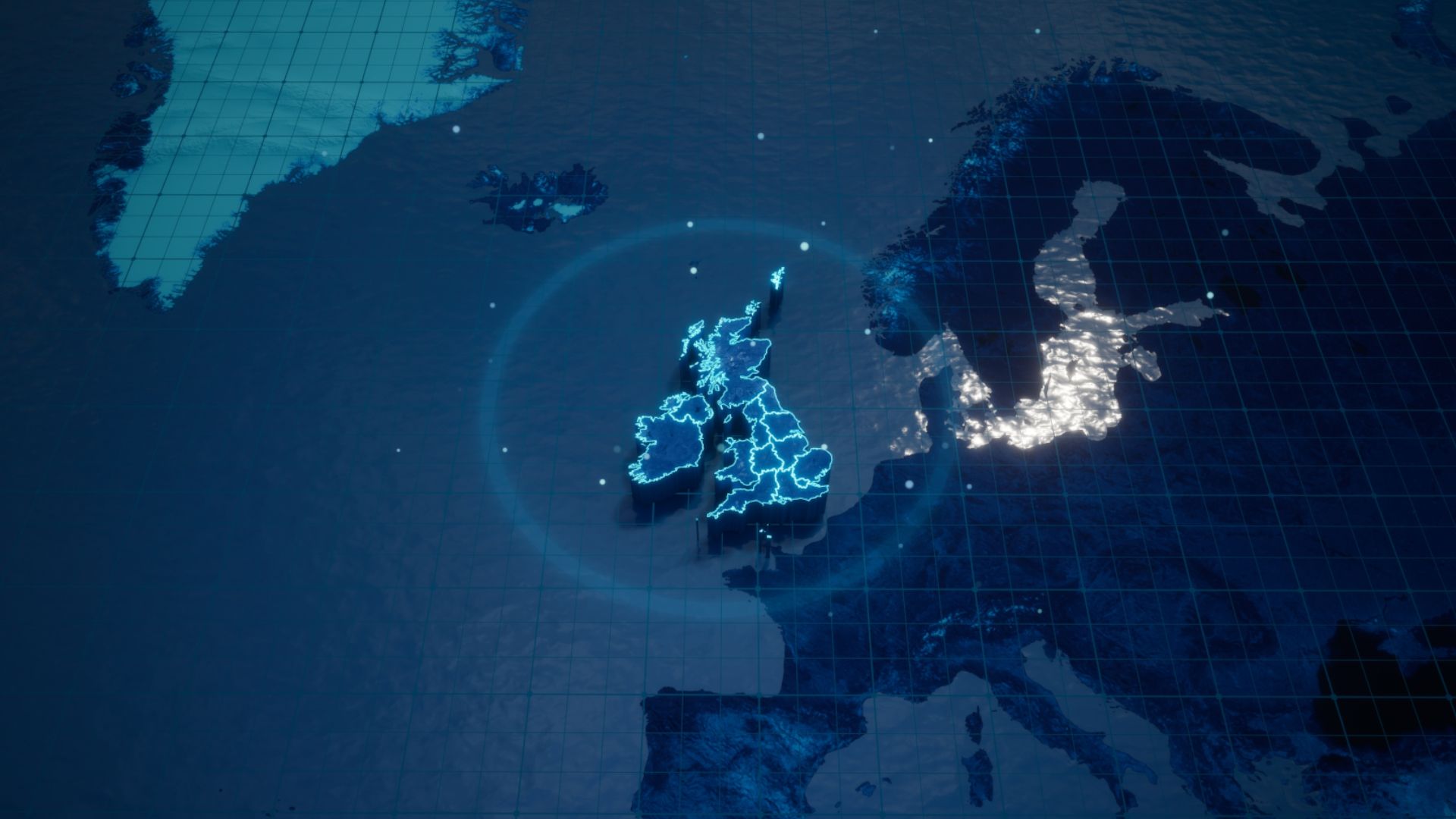
**The UK has emerged as the most targeted country in Europe for nation-state and geopolitical cyber activity, according to a new report from Microsoft. The report reveals that the UK accounts for 3.8% of global cyber threats, with 76 observed events in the past year. As AI becomes increasingly prevalent in cybercrime, hackers are launching a record number of campaigns against consumers and businesses alike, experts warn.
The UK's rise to the top in terms of state-sponsored cyberattacks is a concerning trend, especially considering the country's reliance on technology in critical sectors such as healthcare, finance, and government. The report highlights the increasing sophistication of cyberattacks, with attackers now capable of putting together complex campaigns in minutes using AI. This compression of the attack lifecycle poses a significant challenge for defenders, who must adapt quickly to stay ahead of the threat.
**The Role of AI in Cybercrime**
AI has revolutionized the world of cybercrime, enabling attackers to launch sophisticated campaigns with unprecedented speed and accuracy. Gone are the days of hackers spending days or even weeks mapping and planning an attack. With AI, attackers can now gather intelligence, exploit vulnerabilities, and launch attacks in a matter of minutes. This acceleration of the attack lifecycle has significant implications for defenders, who must quickly adapt to stay ahead of the threat.
**Phishing Attacks on the Rise**
Phishing attacks remain one of the most common vectors used by hackers, and the recent report from Microsoft reveals that they are becoming increasingly sophisticated. In the past year, phishing attacks jumped from 7% to 23% of incident-response intrusions, highlighting the ongoing threat posed by human error. Voice phishing, also known as "vishing," is also on the rise, with a 502% increase in attacks over the past year. This type of attack takes advantage of the increasing reliance on communication platforms such as Microsoft Teams, where a fake call from a colleague or IT helpdesk can add a sense of urgency and trick victims into divulging sensitive information.
**Ransomware on the Rise**
Ransomware attacks are also becoming increasingly common, with significant increases reported in the US, Germany, and the UK. In the US, ransomware detections jumped 50%, while Germany saw a 276% increase. The UK also reported a 66% rise in ransomware attacks, highlighting the ongoing threat posed by this type of malware.
**Targeting Critical Infrastructure**
Critical infrastructure, including state and local government, education, and critical infrastructure, is becoming increasingly targeted by hackers. Research and academia is the most targeted sector, making up 38% of all cyber attacks against this sector. Transport and government agencies and services are also being targeted, with 22% and 13% of attacks respectively.
**Conclusion**
The recent report from Microsoft highlights the ongoing threat posed by state-sponsored cyberattacks and the increasing sophistication of AI-powered cybercrime. As defenders, it is essential to adapt quickly to stay ahead of the threat. Public-private partnerships are also crucial in securing critical infrastructure and developing the policies and regulations needed for emerging technologies. By working together, we can mitigate the risks posed by cyber threats and ensure the continued safety and security of our critical infrastructure.
**Recommendations**
* Stay vigilant and adapt quickly to new threats and vulnerabilities * Implement robust security measures, including AI-powered solutions * Train employees on phishing and voice phishing attacks * Develop public-private partnerships to secure critical infrastructure * Develop policies and regulations for emerging technologies
By following these recommendations, we can reduce the risk posed by cyber threats and ensure the continued safety and security of our critical infrastructure.