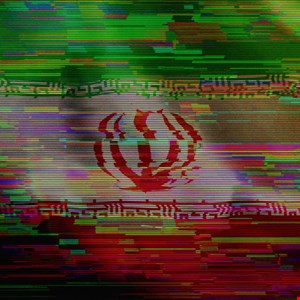
# Iran on High Alert: Google Warns of Global Cyber-Attacks Amid Escalating Tensions
The recent escalation of conflict in the Middle East has sent shockwaves through the global cybersecurity community, with experts warning of a significant increase in cyber-attacks emanating from Iran. According to John Hultquist, chief analyst of Google's Threat Intelligence Group (GTIG), Iran will "absolutely" retaliate against the US and Israel with cyber-attacks targeting a wide range of targets in the Middle East and beyond.
As tensions between Iran and its regional neighbors continue to rise, Google's top threat intelligence expert has highlighted the growing concern that Iranian hackers will launch a global cyber-offensive. This comes as no surprise, given Iran's long history of sophisticated cyber espionage and malicious hacking campaigns against Western targets. The country has been classified as a capable nation-state actor in cyberspace, with a proven track record of using cyber warfare to further its interests.
The recent missile strikes carried out by Iran against several Gulf Cooperation Council (GCC) members – including Qatar, Bahrain, Jordan, the United Arab Emirates (UAE), and Kuwait – have raised eyebrows among cybersecurity experts. These countries are not only home to US military bases but also possess robust cyber defenses. However, Hultquist warns that these nations will inevitably become targets for "aggressive" cyber-attacks by Iran.
"It's not going to be some secret weapon; it won't be very different from what we've seen going on for the last few years," Hultquist explained. "What changes is the targeting." Previously, Iranian hackers were focused on targeting a small state with an advanced security capability, such as Israel. Now, they are set to target a broader range of nations, including those with less mature cyber defenses.
This shift in targeting has significant implications for organizations operating globally. With Iran now seen as a major player in the global cyber threat landscape, companies must review their cybersecurity posture – especially if they have operations or supply chains in the Middle East. The National Cyber Security Centre (NCSC) has already issued an alert warning of a heightened risk of indirect cyber threats for organizations with a presence in the region.
The role of hacktivist groups and ransomware in facilitating Iranian state-backed cyber campaigns is also becoming increasingly evident. Hultquist notes that hackers associated with the Iranian government have previously been linked to secret collaborations with ransomware groups, further highlighting the blurred lines between state-sponsored hacking and traditional cybercrime.
"Their're really good at playing in this foggy space," Hultquist said of Iranian hackers. "I'm absolutely expecting attacks by hacktivist fronts that aren't truly hacktivist fronts, that are just fronts for the Iranian Revolutionary Guard Corps (IRGC). And I'm expecting ransomware incidents that aren't really ransomware incidents."
As the situation in the Middle East continues to escalate, it is essential for organizations to take proactive steps to secure their attack surfaces globally. With Iran now firmly established as a major player in the global cyber threat landscape, companies must remain vigilant and adapt to this new reality.
In conclusion, the warning from Google's chief of cyber threat intelligence serves as a stark reminder of the growing risks associated with cyber-attacks emanating from Iran. As tensions in the region continue to rise, organizations must prioritize their cybersecurity posture and take immediate action to protect themselves against this growing threat.