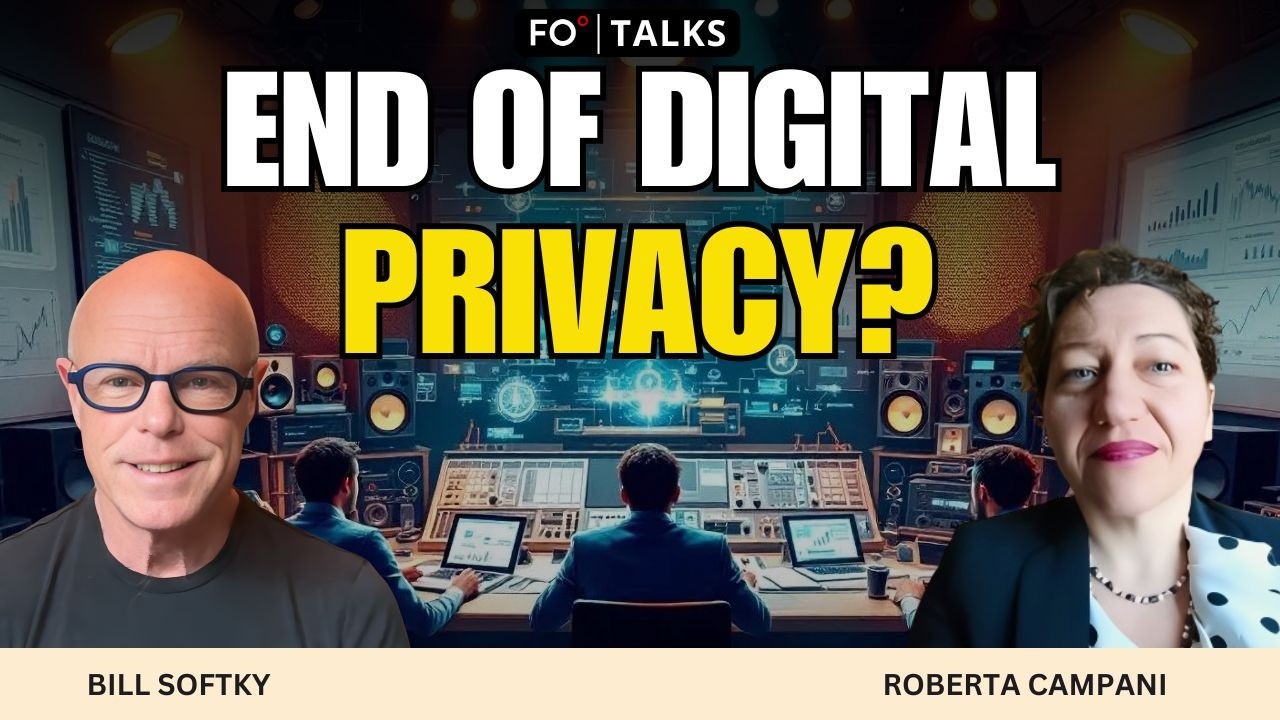
The Dark Side of Cybersecurity: How Companies Are Exploiting Vulnerabilities to Undermine Consumer Rights
The notion that corporations are more concerned with profits than people is nothing new. However, recent reports have shed light on a sinister practice that threatens the very fabric of our legal system: the exploitation of software vulnerabilities to quietly eliminate consumer rights.
In an era where cybersecurity threats are increasingly sophisticated and prevalent, it's essential to acknowledge that even well-intentioned companies may inadvertently or intentionally use software to subvert the law. This phenomenon is often referred to as "backdoors" in software development, which can be used to bypass security protocols and gain unauthorized access to sensitive information.
One notable example of this phenomenon is the case of a US-based company that allegedly embedded a backdoor in their software. According to reports, this backdoor allowed the company to secretly collect and share consumer data with third-party entities without explicit consent. This raises disturbing questions about the limits of corporate power and the need for greater transparency in the way companies handle sensitive user information.
At its core, this issue revolves around the concept of "vulnerability exploitation" – a term used to describe the intentional or unintentional use of software vulnerabilities to gain unauthorized access to systems, networks, or data. When exploited by malicious actors, these vulnerabilities can have severe consequences, including data breaches and financial loss. However, when used by companies to undermine consumer rights, this vulnerability exploitation takes on a more insidious form.
In recent years, several high-profile cases have highlighted the risks associated with software vulnerabilities being used to manipulate consumers. For instance, in 2020, it was revealed that a popular mobile app had been using a backdoor to collect sensitive user data without consent. Similarly, in 2019, a report by security firm, Threatpost, exposed several Android apps that were secretly collecting and sharing user location data without explicit permission.
These examples illustrate the dangers of companies exploiting software vulnerabilities to undermine consumer rights. By prioritizing profits over people, these corporations risk eroding trust between consumers and businesses alike. Moreover, this phenomenon highlights the need for greater accountability within the tech industry, particularly when it comes to issues surrounding data protection and user consent.
In light of these concerns, experts are calling for stricter regulations and more stringent enforcement mechanisms to prevent companies from using software vulnerabilities to manipulate consumers. For instance, the European Union's General Data Protection Regulation (GDPR) provides a useful framework for understanding the rights and responsibilities of both businesses and individuals in the digital age.
In conclusion, while cybersecurity threats continue to pose significant challenges to organizations around the world, it's essential to acknowledge that some companies are using software vulnerabilities to undermine consumer rights. By prioritizing transparency, accountability, and user consent, we can work towards a more equitable and secure digital landscape for all.