6,700 Robot Vacuums Openly Exposed: A Cautionary Tale of Unintentional Hacking
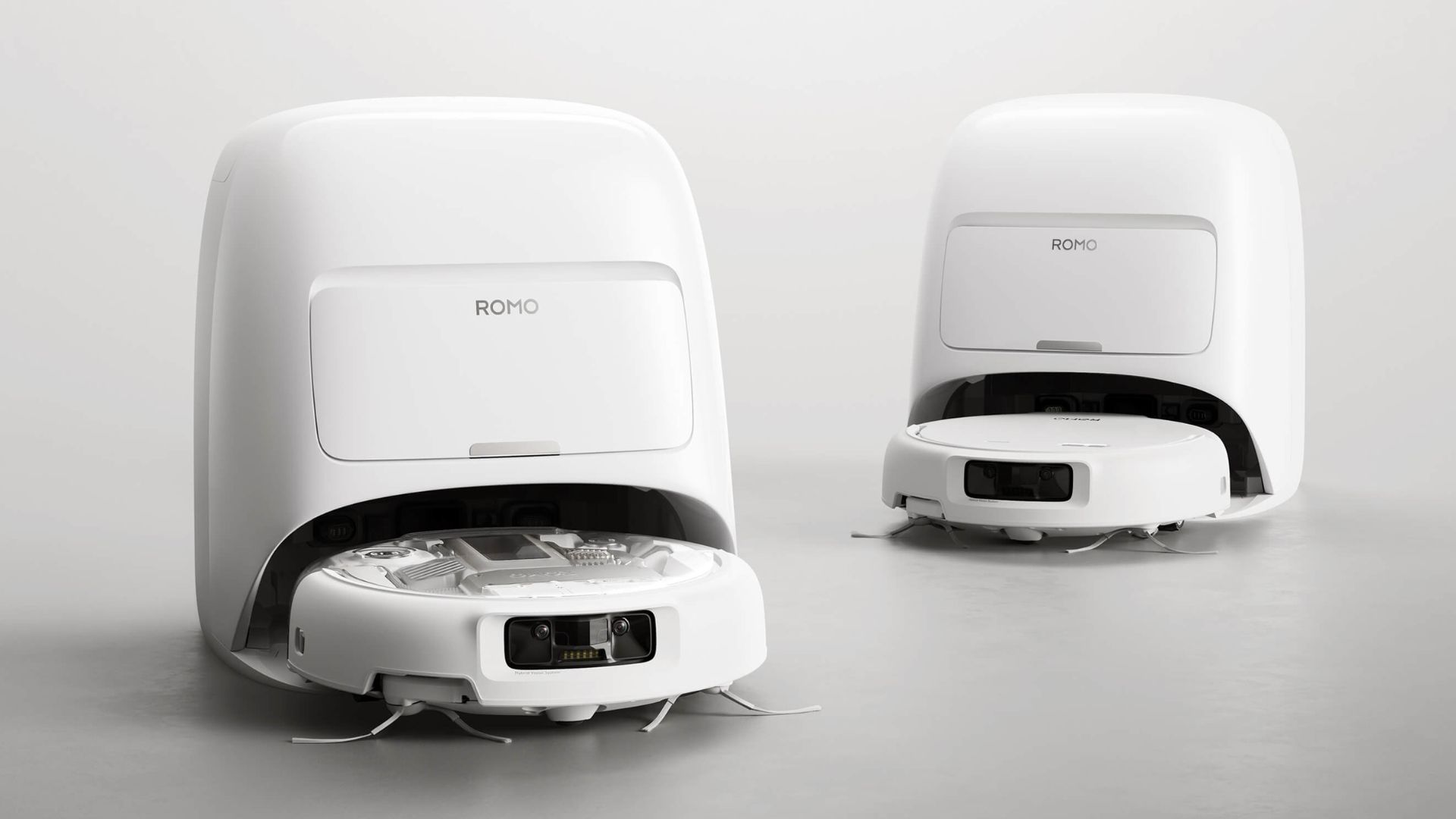
In a fascinating yet unsettling turn of events, AI strategist Sammy Adoufal stumbled upon a security flaw that exposed thousands of DJI Romo robot vacuums to unauthorized access. The discovery was made when Adoufal built an app to control his own device with a PlayStation controller, inadvertently revealing the vulnerability to the wider world.
The issue arises from a protocol used by the DJI Romo to communicate with its servers, which allowed Adoufal to retrieve accurate floor plans, access live camera and microphone feeds, and even remotely control the affected devices. With this knowledge, Adoufal accessed live servers across the globe, including those in the US, Europe, and China.
While Adoufal emphasized that he didn't exploit others' privacy, his actions raised several red flags for cybersecurity researchers. The fact that the data stored by these robot vacuums is readily available in plain text highlights a critical vulnerability in the devices' design. This isn't an isolated incident; last year, another engineer discovered that their iLife A11 smart vacuum was consistently sending logs and telemetry data back to the manufacturer.
The DJI Romo's reliance on cloud connectivity to operate raises concerns about the security of these devices. Many users have purchased and installed IoT smart devices in their homes due to their convenience, but incidents like this demonstrate how precarious they can be for ordinary users. A concerted attack on such systems could be far more damaging than anticipated.
In conclusion, the discovery of this security flaw serves as a wake-up call for device manufacturers to reassess their design priorities and implement robust security measures to protect user data. As tinkerers continue to push boundaries with their creations, it's essential that industry leaders take steps to mitigate these risks and ensure the safety of their products.
---
The DJI Romo robot vacuum, like many other IoT devices, relies on cloud connectivity to function. This creates an attractive target for hackers who can exploit vulnerabilities in the communication protocol used by the device. In this case, Adoufal's discovery highlights a critical issue with the way these devices handle sensitive data.
According to The Verge, DJI Romo vacuums use a combination of HTTP and HTTPS protocols to communicate with their servers. This allows users to access and control their devices remotely, but it also creates an open door for hackers who can intercept and exploit this communication. When Adoufal accessed the private token of his own Romo vacuum, he gained access to live servers across the globe, including those in the US, Europe, and China.
The fact that the data stored by these robot vacuums is readily available in plain text highlights a critical vulnerability in the devices' design. This means that anyone who gains access to the server can easily read this data, compromising user privacy. As cybersecurity researcher Jowi Morales pointed out, "if ordinary people can stumble into the private data of thousands of individuals through these gadgets, then a concerted attack could be far more damaging than anticipated."
The discovery also raises questions about the role of tinkerers in uncovering security flaws. While Adoufal's actions were unintentional, they demonstrate the potential for hackers to discover vulnerabilities in devices by simply tinkering with their own creations. This highlights the importance of responsible disclosure and the need for device manufacturers to prioritize cybersecurity.
To mitigate these risks, DJI has released a couple of updates that required no action from users. However, Adoufal emphasized that there are still outstanding issues that need to be addressed, including the ability to stream video feeds without security PINs and another undisclosed problem due to its severity.
The incident serves as a reminder of the importance of robust security measures in IoT devices. As we continue to rely on these devices to manage our homes and lives, it's essential that manufacturers prioritize user safety and data protection. By doing so, they can prevent incidents like this from occurring and ensure that their products are secure by design.
---
The incident highlights several key points about the importance of cybersecurity in IoT devices:
1. **Cloud connectivity:** The reliance on cloud connectivity to operate creates an attractive target for hackers who can exploit vulnerabilities in the communication protocol used by the device. 2. **Data storage:** The data stored by these robot vacuums is readily available in plain text, highlighting a critical vulnerability in the devices' design. 3. **Tinkerers and security flaws:** Tinkerers like Adoufal can discover security flaws by simply tinkering with their own creations, emphasizing the importance of responsible disclosure and cybersecurity prioritization.
By acknowledging these risks and taking steps to mitigate them, device manufacturers can ensure that their products are secure by design and prevent incidents like this from occurring.