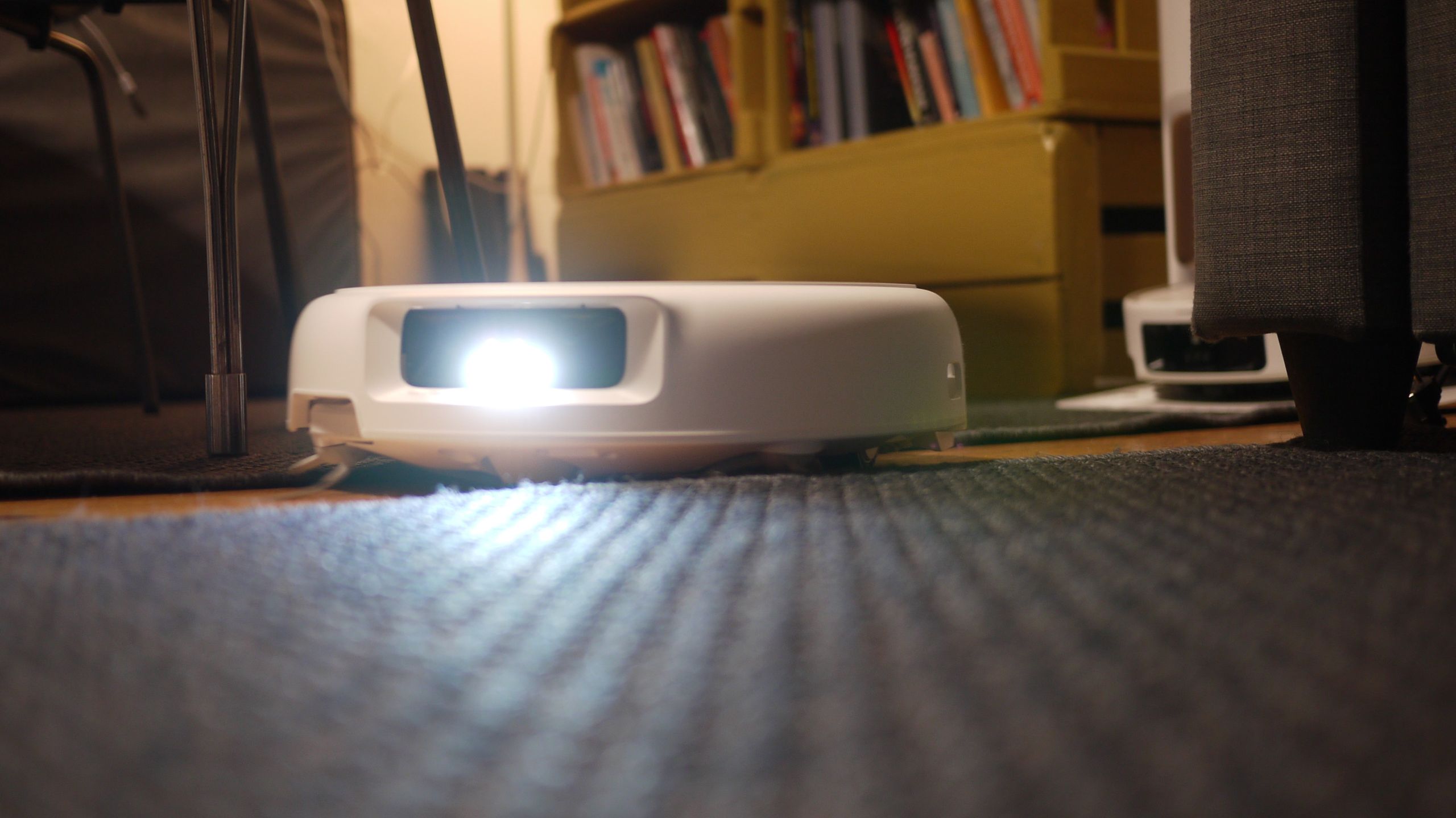
Unintentional Access: Tinkerer Discovers Thousands of DJI Romo Robot Vacuums Vulnerable to Exploitation
As the world becomes increasingly dependent on Internet of Things (IoT) devices, cybersecurity concerns surrounding these connected appliances are growing exponentially. A recent incident involving a hobbyist and his DJI Romo robot vacuum has shed light on the vulnerabilities inherent in some IoT systems, highlighting the need for robust security measures to protect sensitive data.
Sammy Azdoufal, an AI strategist and DIY enthusiast, stumbled upon a staggering array of devices when attempting to control his own Romo vacuum using a PlayStation controller. The protocol unexpectedly returned private tokens for additional vacuums, including over 6,700 devices scattered across multiple regions, such as the United States, Europe, and China. This unexpected discovery revealed that device data was stored in plain text on the server, rendering sensitive information accessible to anyone who gained access to the system.
The Root Cause: Poor Data Storage and Lack of Encryption
The encryption protecting communications between the Romo vacuums and DJI servers was not flawed. However, the data storage mechanism exposed private information to unauthorized users. Azdoufal immediately reported this vulnerability to DJI, prompting the company to issue updates that addressed several problems without requiring user intervention.
Unfortunately, despite these efforts, some vulnerabilities persist, including the ability to stream video without a security PIN and another undisclosed issue due to its severity. These remaining problems underscore the need for server-side data storage and access control improvements to prevent unauthorized access to sensitive information.
Consequences of Unintended Access
The discovery of this vulnerability serves as a reminder that even ordinary users can inadvertently expose private data when using smart devices. The potential risks associated with IoT devices are significant, as live video feeds, floor plans, and other sensitive information could be compromised if attackers exploit similar vulnerabilities.
To mitigate these risks, users can take several steps:
* Install firewall software to monitor network activity * Regularly update software and firmware to ensure the latest security patches are applied * Use endpoint protection tools to detect unusual patterns of activity
While AI-powered detection tools may help identify potential threats, they do not guarantee detection. Moreover, even minor misconfigurations or design flaws can create significant privacy risks.
The Importance of Prioritizing Data Protection
The case of the DJI Romo vacuums underscores the need for IoT devices to prioritize data protection over convenience. While this discovery was accidental and responsibly reported, it highlights the potential risks associated with inadequate security measures.
As IoT devices continue to proliferate, manufacturers must take proactive steps to address these concerns. By implementing robust security protocols, such as encryption and secure data storage, they can help prevent unauthorized access to sensitive information and protect users from potential threats.
In conclusion, the accidental discovery of thousands of vulnerable DJI Romo robot vacuums serves as a cautionary tale about the importance of prioritizing data protection in IoT devices. By taking proactive steps to address these vulnerabilities and implementing robust security measures, we can reduce the risks associated with smart devices and ensure a safer online environment for all users.