The Apple Agent: Why the Company Should Create a Plug-and-Play AI Solution
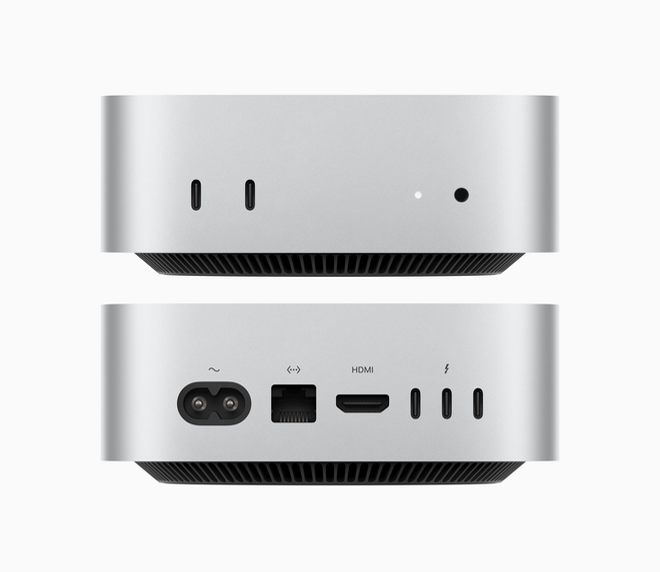
In January 2026, Apple Stores and online saw an unexpected surge in demand for the base M4 Mac mini. It wasn't because customers needed more compact desktops for video editing or cheap servers for development; rather, they were buying them specifically to host personal AI agents — autonomous software butlers built on open-source projects like OpenClaw (formerly Clawdbot/Moltbot). This phenomenon has been dubbed the "Mac mini AI Agent Rush," and it's clear that people are eager for a seamless way to integrate AI into their daily lives.
These agents don't just chat; they act. They monitor emails, negotiate Facebook Marketplace deals, book restaurant reservations, organize calendars, control smart lights and Apple Music, summarize inboxes, and run 24/7 without users lifting a finger. The hardware choice makes perfect sense on paper: the Mac mini is tiny, dead quiet, sips power (around 10W idle), has blazing-fast Apple silicon with a powerful Neural Engine, and plays nicely with iMessage and the rest of the Apple ecosystem.
However, getting one of these agents running reliably is a weekend project for hobbyists with GitHub accounts, API keys, Tailscale configs, and a tolerance for the occasional rogue agent that deletes your inbox because it "thought it was helping." Normal people — parents, teachers, small-business owners, retirees — don't want a science project. They want the result (or they will when they realize what's possible).
Apple Should Build the Device That Delivers That Result Out of the Box
Imagine a product Apple is uniquely positioned to create: a dedicated agentic AI device — let's call it the Apple Agent for now — that normal humans can plug in, set up in under five minutes with their iPhone, and immediately start using as a true personal assistant that does things on their behalf. Not another speaker. Not another screen you have to stare at. A small, elegant, always-on box (think Mac mini size or smaller, perhaps with the same gorgeous design language) powered by the latest M-series chip and Apple's most advanced on-device models.
The Apple Agent would be proactive and executive: it would "Plan a weekend getaway for my family of four under $1,200 including flights from Chicago, kid-friendly activities, and a hotel with a pool." It checks calendars, searches flights and hotels (with your saved payment methods and preferences), books what fits, sends confirmations, and adds everything to your shared family calendar. The Apple Agent would also "Review my emails from the last week and flag anything urgent, then draft polite responses for the rest." It would do this while you're at dinner.
The benefits of such an agent go beyond just convenience. The Apple Agent would be a game-changer in terms of productivity and time management. With its ability to monitor your fridge via Home app cameras, suggest three dinners based on what's available, add missing ingredients to the shopping list, and order them from Instacart for delivery tomorrow, it would make meal planning and grocery shopping a breeze.
Furthermore, the Apple Agent would be an excellent tool for health management. It could track your dad's medication refills, remind him gently, and coordinate with his pharmacy. Setup would be laughably simple: Plug it into power and Ethernet (or Wi-Fi), open the iPhone camera, tap "Set up new Apple Agent," sign in with your Apple ID, answer a few preference questions, and you're done. It learns over time, just like Apple Watch or AirPods do.
Family Sharing? Multiple users with their own agents or a shared household one. No command-line nonsense. No worrying about whether the agent has "gone rogue." Why This Would Be Incredibly Smart Business for Apple
1. It solves the exact pain point the Mac mini trend exposes. Demand for personal agents is exploding, but the current solution is geek-only. Apple can own the mainstream version the way it owned MP3 players, smartphones, and wireless earbuds.
2. Ecosystem lock-in on steroids. Once your personal agent knows your life better than any cloud service ever could, switching away from Apple becomes painful.
3. Privacy moat. While OpenAI, Anthropic, Google, and others race to build cloud-based agents that see everything, Apple can do it locally and securely.
In an era of growing AI privacy backlash, this is table-stakes differentiation. Perfect complement to the wearables Apple is already building. The rumored AI pendant, camera-equipped AirPods, and smart glasses could feed visual context to your home Agent ("I see you're out of milk — want me to order some?") while the Agent handles the heavy lifting.
Apple already has most of the pieces: the silicon, the privacy architecture, the deep app integrations, the world-class design and manufacturing, and (soon) a much smarter Siri foundation. The Mac mini buying frenzy is the market screaming that people want this now — they just don't want to build it themselves.
The company that made technology invisible and delightful for billions could do the same for agentic AI. A true personal agent that works for everyone, not just the people who know how to install OpenClaw on a Mac mini. Apple has the signal. The question is whether it will answer it with a product that ships in beautiful white packaging — or let the tinkerers keep hacking their way to the future.
The Mac mini AI boom isn't a niche hobby. It's the canary in the coal mine for the next computing era. Apple should build the device that makes that era accessible to everyone. The rest of us are ready to buy it the day it drops.
Conclusion
In conclusion, the concept of an Apple Agent is not just a pipe dream; it's a reality that Apple has been uniquely positioned to create. With its cutting-edge technology and commitment to user experience, the Apple Agent would be a game-changer in terms of productivity, convenience, and time management. It would solve the exact pain point the Mac mini trend exposes and become an invaluable tool for people of all ages.
The benefits of such a product are numerous: ecosystem lock-in on steroids, a privacy moat, and perfect complement to Apple's wearables. The question is whether Apple will answer the signal from the market and create a product that makes agentic AI accessible to everyone. We eagerly await the day when this revolutionary device hits the market and changes the way we live our lives forever.