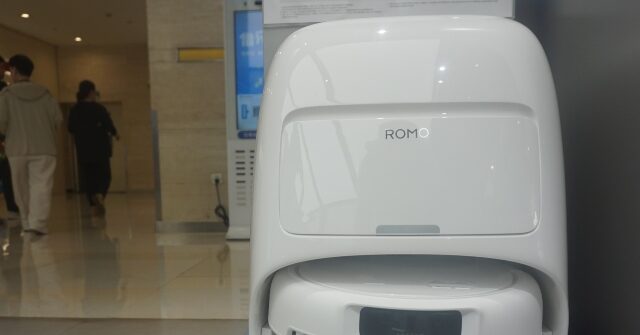
Robo Army: The Unintended Hack That Exposed 6,700+ Robot Vacuums Worldwide
In a shocking turn of events, a man's attempt to modify his own robot vacuum cleaner inadvertently granted him access to over 6,700 devices worldwide, exposing a significant security vulnerability in DJI Romo robot vacuums. This incident highlights the importance of cybersecurity and the potential risks associated with internet-connected devices.
The story began when Sammy Adoufal, an AI strategist, set out to reverse engineer the communication protocol between his DJI Romo robot vacuum and its servers using Claude Code. His intention was to enable control of his own device using a PlayStation controller, but the process unexpectedly provided him with access credentials to approximately 6,700 robot vacuums deployed across multiple continents. Adoufal emphasized that his actions did not constitute hacking in the traditional sense, as he only extracted the private token from his own Romo vacuum, which inadvertently granted access to live servers operating in the United States, Europe, and China.
Upon discovering the vulnerability, Adoufal acted responsibly by immediately notifying DJI about the security flaw rather than exploiting the access to compromise user privacy. DJI responded to the report by implementing several updates that addressed the primary issue without requiring any action from end users. However, despite the resolution of the main vulnerability, additional security concerns remain unaddressed.
One of the most significant issues is the ability to stream video feeds from DJI Romo devices without requiring a security PIN. Furthermore, all data collected by the robot vacuums is stored in plain text format on the servers, making it easily readable by anyone who manages to gain server access. This raises serious concerns about the potential for data breaches and unauthorized access to sensitive information.
This incident serves as a stark reminder of the importance of cybersecurity and the need for manufacturers to prioritize security in their products. The vulnerabilities exposed in DJI Romo robot vacuums are not isolated incidents, but rather part of a larger trend of security risks associated with internet-connected devices.
As Breitbart News has reported on previously, the security dangers of internet-connected devices like robot vacuum cleaners are real and significant. A recent investigation by the MIT Technology Review revealed that gig workers in Venezuela were asked to label items in photographs of home interiors taken by Roomba vacuums, some of which included people with visible faces.
The incident highlights the need for manufacturers to prioritize user privacy and security when developing their products. IRobot's decision to terminate its agreement with a data annotation business after an investigation revealed that human gig workers could see test users' images and faces is a step in the right direction, but more needs to be done to address these issues.
In conclusion, the unintended hack of over 6,700 robot vacuums worldwide serves as a wake-up call for manufacturers and consumers alike. It highlights the importance of prioritizing cybersecurity and user privacy when developing and using internet-connected devices. As technology continues to advance, it is essential that we prioritize security and protect our personal data from potential breaches.
**Keywords:** #cybersecurity #hacking #data breach #malware #vulnerability #robot vacuums #DJI Romo