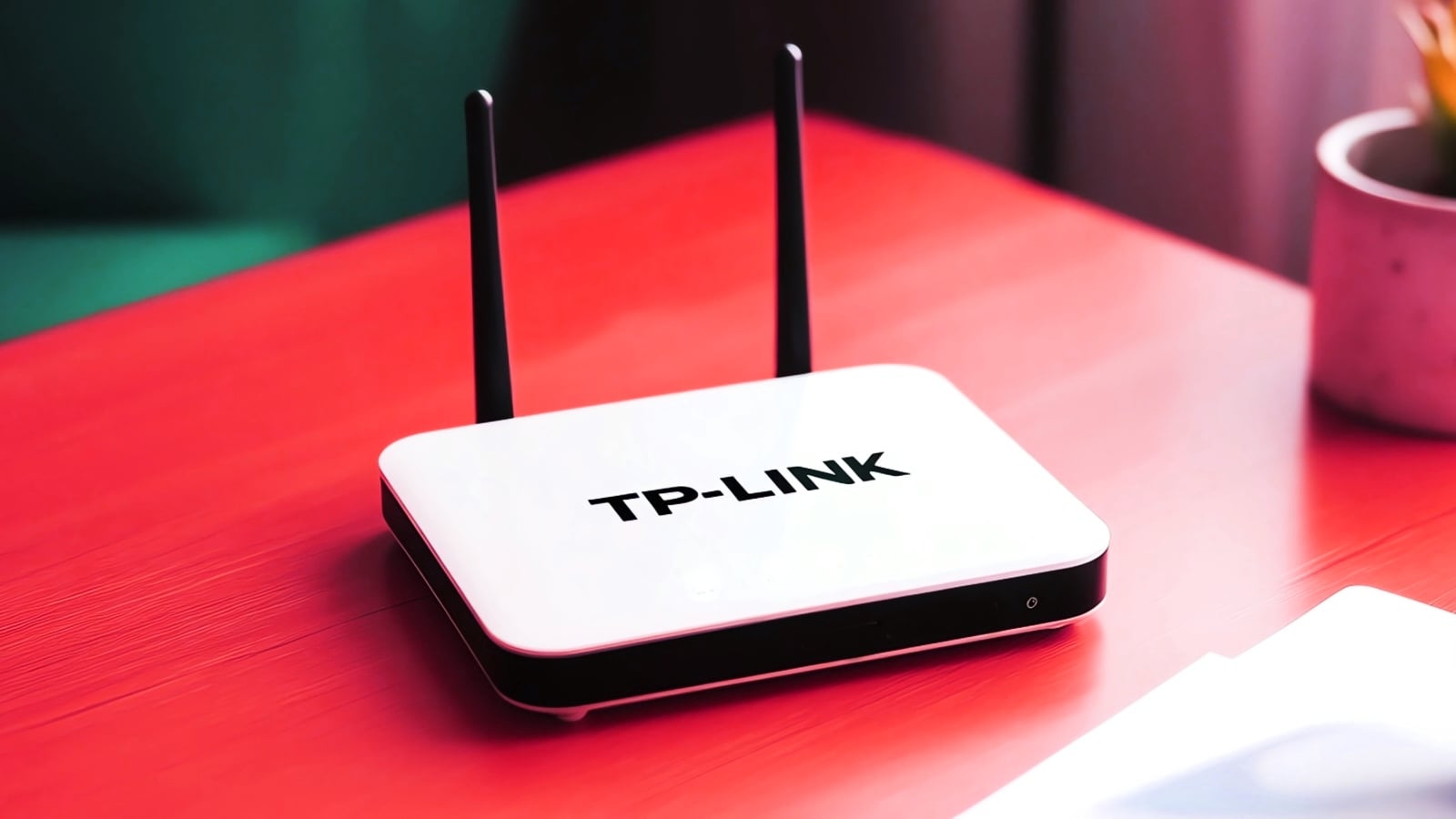
**Critical Router Flaw Exposed: TP-Link Warns Users to Patch Vulnerability Bypassing Authentication**
A recent security advisory from TP-Link has left router users scrambling to protect themselves against a critical vulnerability that allows attackers to bypass authentication and upload new firmware. The flaw, tracked as CVE-2025-15517, affects multiple models of the Archer NX series, including the NX200, NX210, NX500, and NX600 wireless routers. This is not an isolated incident; TP-Link has been in the news lately for several security-related issues.
**Missing Authentication Check Paves the Way for Attacks**
The vulnerability stems from a missing authentication check in the HTTP server to certain CGI endpoints, which allows unauthenticated access intended for authenticated users. According to TP-Link, "an attacker may perform privileged HTTP actions without authentication, including firmware upload and configuration operations." This flaw is critical in nature, as it enables attackers to bypass authentication checks, granting them access to sensitive areas of the router.
**Additional Vulnerabilities Addressed**
In addition to CVE-2025-15517, TP-Link has also patched several other vulnerabilities that were identified on its devices. These include:
* A hardcoded cryptographic key (CVE-2025-15605) in the configuration mechanism, which allowed authenticated attackers to decrypt configuration files, modify them, and re-encrypt them. * Two command injection vulnerabilities (CVE-2025-15518 and CVE-2025-15519), enabling threat actors with admin privileges to execute arbitrary commands.
**Previous Incidents Highlight TP-Link's Security Concerns**
This latest vulnerability is not the first security concern for TP-Link. In September, the company was forced to rush out patches for a zero-day vulnerability impacting multiple router models after failing to release patches following a May 2024 report. The unpatched security flaw allowed attackers to intercept or manipulate unencrypted traffic, reroute DNS queries to malicious servers, and inject malicious payloads into web sessions.
**U.S. Cybersecurity Agency Takes Action**
The U.S. Cybersecurity and Infrastructure Security Agency (CISA) has flagged several TP-Link vulnerabilities as exploited in attacks. In September, CISA added two other TP-Link flaws (CVE-2023-50224 and CVE-2025-9377) to its Known Exploited Vulnerability catalog, which the Quad7 botnet has been exploiting to compromise vulnerable routers.
**TP-Link's Troubled History with Security**
This week, Texas Attorney General Paxton sued TP-Link Systems in February, accusing the company of deceptively promoting its routers as secure while allowing Chinese state-sponsored hacking groups to exploit firmware vulnerabilities and access users' devices. The U.S. Federal Communications Commission has also updated its Covered List to include all consumer routers made in foreign countries, banning the sale of new routers made outside the U.S. due to an "unacceptable risk to national security."
**Conclusion**
The recent TP-Link vulnerability is a stark reminder of the importance of staying on top of security patches and updates for connected devices. With multiple vulnerabilities patched, it's essential for users to take immediate action and update their router firmware to prevent potential attacks exploiting these flaws.
As we continue to navigate the complex world of cybersecurity, it's clear that companies must prioritize security and transparency in their products. Users should remain vigilant and be aware of the risks associated with connected devices.