HACKER_BLOG
THE AI PARADOX: JOB LOSS MEETS PERSONAL LIBERATION IN THE COMING TECHNOLOGICAL STORM
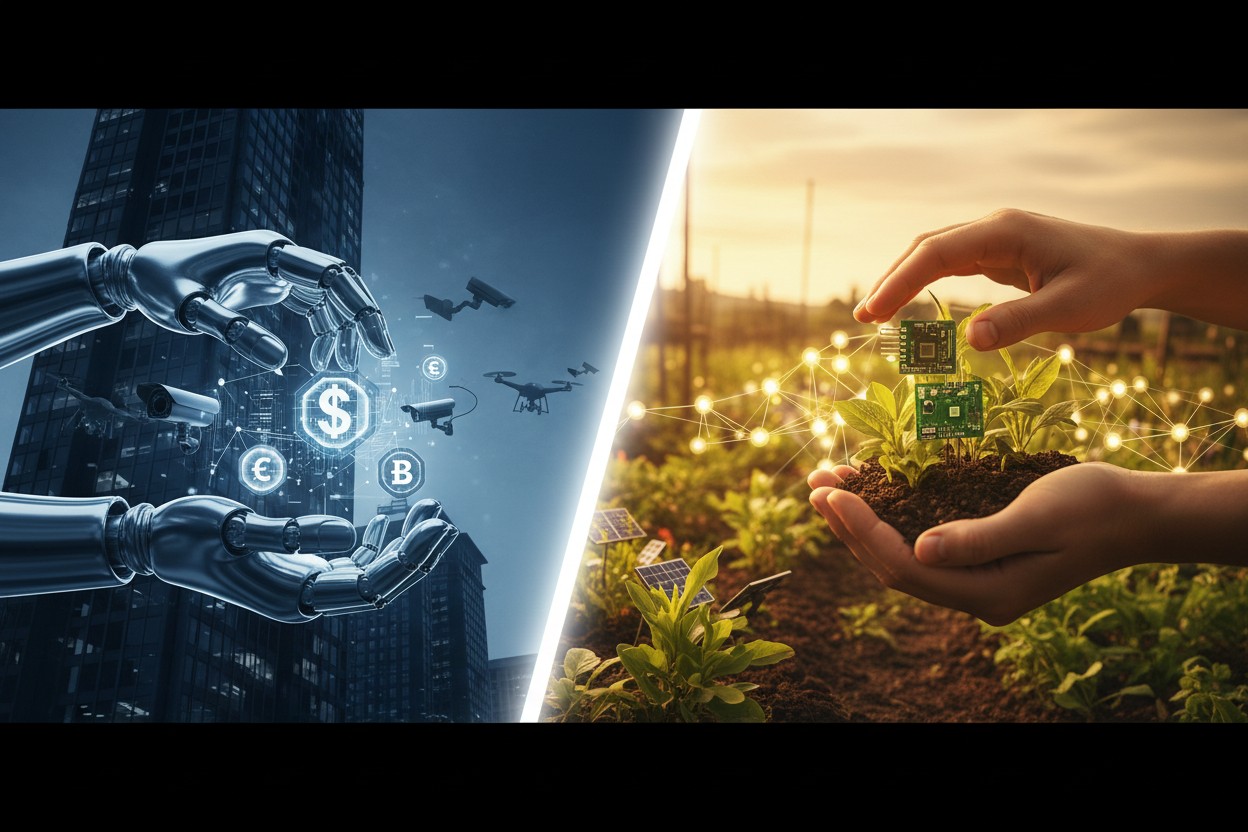
**The AI Paradox: Job Loss Meets Personal Liberation in the Coming Technological Storm**
As we stand at the precipice of a technological revolution, a pressing question emerges: will artificial intelligence (AI) bring about unprecedented prosperity and freedom, or will it crush entire industries and livelihoods? Tech billionaire Marc Andreessen has sparked debate with his predictions that AI will lead to a **low price consumer utopia**, where workers face significantly reduced wages. But what does this mean for the future of work, and how can we navigate the paradoxical consequences of technological advancement?
**The Rise of Automation and Job Displacement**
Andreessen's prediction is not unfounded. The increasing adoption of AI and automation technologies has already begun to reshape the global job market. As machines take over routine and repetitive tasks, many industries are facing unprecedented levels of **job displacement**. A report by the McKinsey Global Institute estimates that up to 800 million jobs could be lost worldwide due to automation by 2030. This raises concerns about the impact on workers' livelihoods, particularly in sectors where automation is most prevalent.
**The Liberating Potential of AI**
However, there's another side to the AI story – one that paints a picture of **personal liberation** and unprecedented prosperity. With the rise of AI, humans are being freed from mundane tasks, enabling them to focus on creative pursuits, innovation, and entrepreneurship. AI-powered tools are augmenting human capabilities, allowing us to achieve more with less effort and time. For instance, AI-driven personal assistants, like Siri or Alexa, have become an integral part of daily life, making it easier for people to manage their schedules, access information, and control smart home devices.
**The AI Paradox: A Balance Between Job Loss and Personal Liberation**
So, what does the future hold? Will we witness a **jobless utopia**, where automation and AI create a world with no employment opportunities, or will we experience a **skills revolution**, where workers upskill and reskill to thrive in an AI-driven economy? The answer lies somewhere in between. While AI may displace certain jobs, it also creates new ones – like AI developer, data scientist, or cybersecurity expert. It's essential for individuals, businesses, and governments to adapt to this changing landscape by investing in education and retraining programs that emphasize **human-centered skills**, such as creativity, empathy, and critical thinking.
**Key Takeaways:**
• Automation and AI will continue to reshape the job market, leading to job displacement in some sectors.
• The liberating potential of AI lies in its ability to augment human capabilities, freeing us from mundane tasks and enabling us to focus on creative pursuits.
• A balance must be struck between job loss and personal liberation; investing in education and retraining programs that emphasize human-centered skills is crucial for future success.
**Conclusion**
The AI paradox presents a complex challenge – one that requires a nuanced understanding of both the benefits and drawbacks of technological advancement. While AI may bring about significant job displacement, it also offers unparalleled opportunities for personal growth, creativity, and innovation. As we navigate this technological storm, it's essential to prioritize education, retraining, and human-centered skills development to ensure that the benefits of AI are shared by all.
TRY THE PRANKS
Enjoyed this article? Try our most popular prank pages — 100% harmless, browser-based fun!
Sponsored: Unlock a Secret Deal →
Sponsored link