**European Commission Hit with Second Data Breach This Year: What's Behind Its Resilience Concerns?**
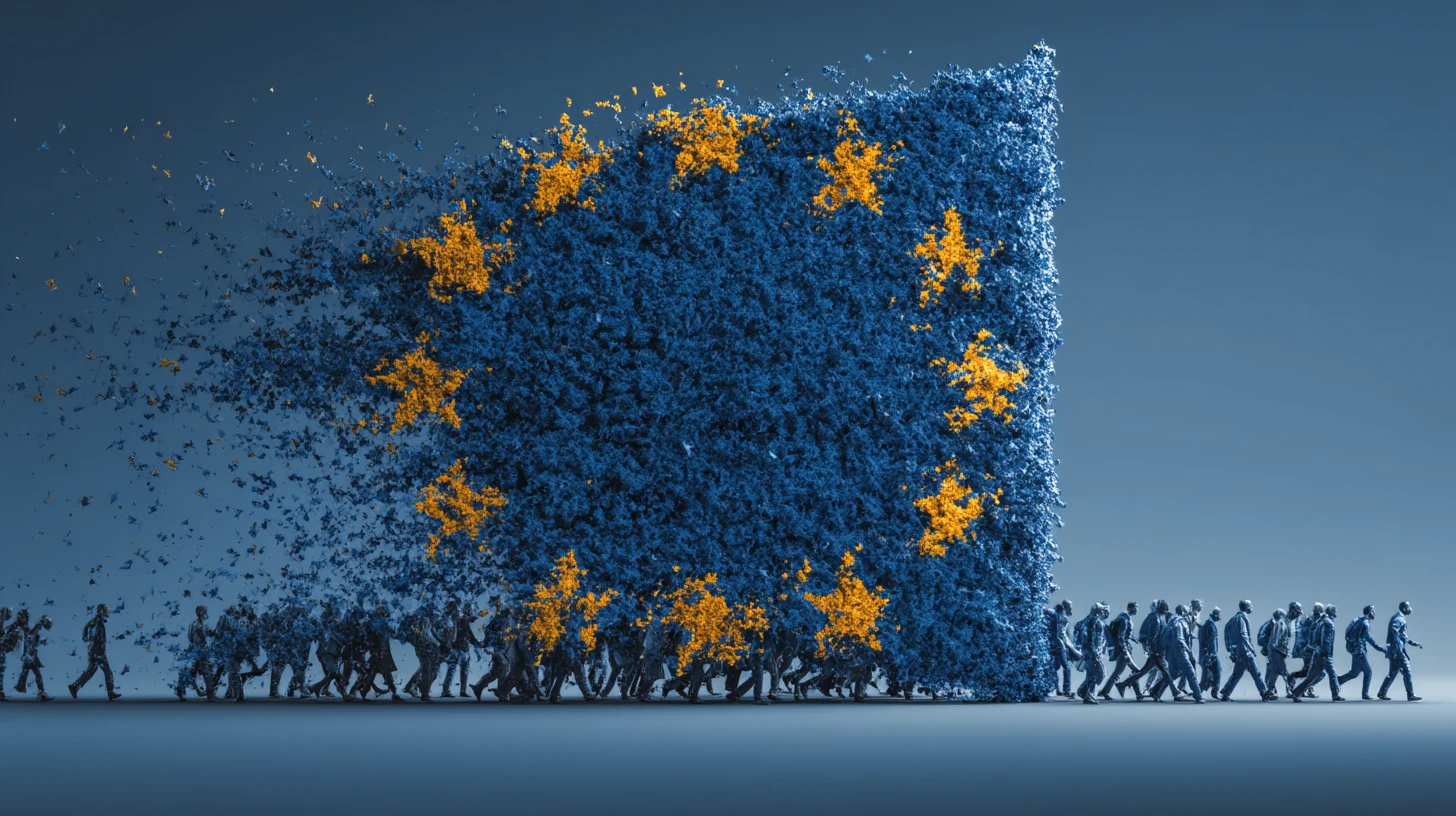
The European Commission has confirmed a second data breach this year, raising questions about the institution's ability to protect itself against cyber threats. In March 2023, authorities discovered that an unknown actor had launched a cyberattack on cloud infrastructure hosting its web presence on the Europa.eu platform. An investigation is ongoing, but preliminary findings suggest that data were compromised, including sensitive documents and contract information.
The breach has sparked concerns about the European Commission's cybersecurity resilience, particularly given that it follows another incident earlier this year targeting its mobile device management platform. The EU has been actively addressing cyber threats, including imposing sanctions on companies from China and Iran for attacking member states and partners. Despite these efforts, some officials believe more needs to be done to improve the institution's defenses.
**Preliminary Findings Indicate Data Compromise**
According to a statement released by the European Commission, the cyberattack was discovered on 24 March 2023. The investigation is ongoing, but preliminary findings suggest that data were taken from the affected websites. The breach does not appear to have compromised the Commission's internal systems.
In an effort to contain the incident and mitigate potential risks, authorities swiftly implemented measures to protect services and data without disrupting website availability. "The Commission's swift response ensured the incident was contained and risk mitigation measures were implemented to protect services and data," officials noted.
**Screenshots Suggest Hacking Group Claims Possession of EU Data**
Screenshots posted on social media platform X suggest that a hacking group claims to possess around 350 GB of European Commission data. The stolen information includes mail server contents, databases, confidential documents, and contracts. While the authenticity of these screenshots has not been confirmed, they raise concerns about the potential scope of the breach.
**EU's Cybersecurity Measures Face Scrutiny**
The incident marks the second time this year that the EU and its institutions have been targeted by cyber threats. An earlier breach affected the European Commission's mobile device management platform. The EU has taken steps to address these incidents, including implementing the Cybersecurity Regulation, the NIS2 Directive, and the Cyber Solidarity Act.
Despite these efforts, some officials question whether the EU can deal with attacks on equal terms and warn that its cybersecurity measures are insufficient. "We need to do more to improve our defenses," one official stated. The incident has sparked debate about the effectiveness of the EU's cybersecurity policies and the need for further improvements.
**Implications and Next Steps**
The European Commission is continuing to monitor the situation, take measures to secure its internal systems and data, and analyze the incident to improve its cybersecurity capabilities. The breach highlights the ongoing threat posed by cyberattacks against EU institutions and member states.
As the investigation unfolds, it remains to be seen whether the compromised data will be made public or exploited by malicious actors. In the meantime, the incident serves as a reminder of the importance of robust cybersecurity measures in protecting sensitive information and preventing data breaches.
**What Can Be Done?**
To mitigate the risks posed by cyber threats, EU institutions must prioritize investing in effective cybersecurity measures. This includes implementing robust security protocols, conducting regular risk assessments, and providing employees with training on best practices for data protection.
Furthermore, the EU should continue to work towards establishing a unified approach to addressing cyber threats, sharing intelligence and best practices among member states and partners. By doing so, it can demonstrate its commitment to cybersecurity and improve its resilience against future attacks.
**Conclusion**
The European Commission's second data breach this year raises concerns about the institution's ability to protect itself against cyber threats. As the investigation unfolds, it remains to be seen whether the compromised data will be made public or exploited by malicious actors. To mitigate these risks, EU institutions must prioritize investing in effective cybersecurity measures and continue working towards a unified approach to addressing cyber threats.
In this article:
* We discussed the European Commission's second data breach this year * Preliminary findings indicate that data were taken from affected websites * Screenshots suggest a hacking group claims possession of around 350 GB of EU data * The incident raises concerns about the EU's cybersecurity measures and resilience * Next steps include continuing to monitor the situation, analyzing the incident, and improving cybersecurity capabilities