**Spring Break Scams: Don't Let Cybercriminals Ruin Your Vacation**
As the weather warms up and school lets out, millions of people are planning their spring break getaways. But with excitement comes a warning: cybercriminals are ramping up their travel scams to catch unsuspecting travelers off guard. According to travel experts, there's a 10% spike in spring break travel scams this season. Don't let these scammers ruin your vacation! In this article, we'll expose the most common spring break scams, how they work, and what you can do to avoid them.
**Rental Listings That Don't Exist**
Scammers are using fake property ads on social media and listing sites to steal your deposit before you even leave home. The FTC warns travelers about fake vacation rentals, especially during peak seasons like spring break. Here's how this scam works:
You find a dreamy beachfront condo on social media or a listing site. It's weirdly affordable, with the "owner" claiming there's high demand and asking you to send a deposit via wire transfer, Venmo, or gift cards. You pay, but they disappear.
Scammers love urgency, so they'll say things like: "We need this ASAP, as we have multiple bookings!" or "This is a limited-time offer, don't miss out!"
**Calls from the "Front Desk"**
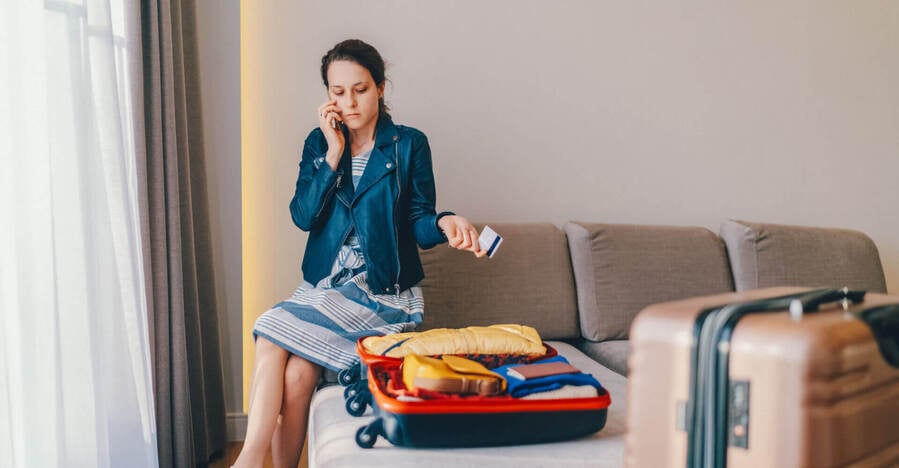
You check in to your hotel and the room phone rings. The caller claims to be from the front desk and says there's a problem with your card on file. They need you to verify the number or provide another one.
Hang up! Never give your credit card details over the phone. Call the hotel's official number directly, and real front desk staff will understand.
**Winning a Fake Spring Break**
A classic fake giveaway scam changes tactics for the spring break season. If someone promises you a free trip but asks for payment up front, it's not a prize.
As one Reddit user found out, they "won" a trip to Orlando after participating in a raffle – only to be debited $274 and endure a timeshare presentation to redeem.
Never send money or personal information to "claim" something that's supposed to be free. Scammers create fake third-party booking sites that look legitimate to steal your payment information.
**QR Codes and Fishy Links**
Fake QR code scams are a modern phishing tactic, where scammers hijack your personal information by posing as legitimate links. Phishing and smishing (SMS phishing) also spike during high seasons like spring break.
Don't click on suspicious links! Slow down, double-check the URL, and when in doubt, find the page yourself through a search engine.
**Credit Card Skimming and Theft**
Credit card skimming happens when scammers physically capture your card data at ATMs, gas stations, or crowded venues. And spring break hotspots are prime territory for these scammers.
Here's how to sidestep the scammers:
* Be cautious of ATMs in crowded areas. * Use secure connections when making transactions online. * Monitor your accounts regularly.
**Paying for "VIP" Access Outside of Events or Clubs**
Fake VIP access scams prey on FOMO (fear of missing out). Scammers will offer you exclusive access to events or clubs, but it's just a scam.
If the sale isn't occurring through an official channel, assume it's a travel scam. Remember: if it seems too good to be true, it probably is!
**How to Avoid Spring Break Scams**
Before and during your trip:
* Verify booking sites and ignore urgent payment demands. * Use secure connections when making transactions online. * Update your devices, use strong passwords, and install trusted security tools.
Act fast if you've been caught in a spring break scam:
* Contact your bank immediately to dispute any unauthorized charges. * Report the incident to local authorities and online reporting platforms. * Secure your accounts and change any compromised passwords.
**Conclusion**
Don't let cybercriminals ruin your vacation! With awareness and preparation, you can avoid common spring break scams. Lock down your devices, secure your accounts, and make sure your digital life is as protected as your passport.
By being skeptical and taking precautions, you'll be able to enjoy your spring break without the stress of travel scams. Remember: the only thing you should bring home from spring break is glorious memories!
Keywords used: spring break scams, travel scams, cybersecurity, data breach, malware, vulnerability, credit card skimming, phishing, smishing, QR code scams, fake rental listings, fake front desk calls.