# MISP v2.5.46: The Open-Source Threat Intelligence Powerhouse That Keeps Getting Better
In an era where cyber threats evolve faster than most defenses can keep pace, the MISP (Malware Information Sharing Platform) v2.5.46 release continues to solidify its position as the go-to open-source infrastructure for threat intelligence sharing. This latest iteration of the platform—designed by incident analysts, for incident analysts—empowers security teams to collect, correlate, and disseminate structured cybersecurity indicators with unprecedented efficiency. Whether you're a blue teamer, a malware reverse engineer, or a SOC operator, MISP remains the collaborative backbone that turns isolated attacks into actionable intelligence.
## What Exactly Is MISP?
MISP is an open-source software solution built for one primary mission: to streamline the collection, storage, distribution, and sharing of cyber threat indicators. But calling it just a "database" would be doing it a disservice. MISP is, at its core, a structured intelligence-sharing ecosystem designed by and for incident analysts, security professionals, ICT experts, and malware reversers. The platform's philosophy is simple—when organizations share structured information efficiently, the entire security community becomes harder to attack.
The v2.5.46 release brings refinements to an already battle-tested framework, ensuring that the platform continues to meet the demanding workflows of modern security operations. From automated data enrichment pipelines to flexible data models that accommodate everything from IoCs (Indicators of Compromise) to full attack pattern descriptions, MISP v2.5.46 offers a comprehensive foundation for any serious threat intelligence program.
## The Power of Structured Information Sharing
The objective of MISP has always been clear: foster the sharing of structured information within the security community and beyond. What makes this platform particularly effective is its ability to serve not just as a repository but as a distribution hub. Once threat data is ingested and correlated within MISP, that same information can be automatically pushed to downstream security tools—including Network Intrusion Detection Systems (NIDS), Host-based Intrusion Detection Systems (LIDS), log analysis platforms, and modern SIEMs.
For a practical example, consider a security analyst who identifies a new malware variant during an incident response engagement. Instead of keeping that intelligence siloed in a ticket system, the analyst can create an event in MISP that includes hashes, C2 domains, YARA rules, and correlated ATT&CK techniques. Within seconds, that event becomes available to the broader community—and—if properly configured—automatically triggers alerts in partner organizations' detection systems.
## Why MISP Matters for Your Security Stack
The main benefit of leveraging MISP v2.5.46 is its ability to act as a comprehensive and robust threat intelligence platform for collaboration. It doesn't matter if you're a small startup with a lean security team or a large enterprise managing a sprawling SOC—MISP scales to fit the use case. Its architecture supports organizations of all sizes, delivering the following core capabilities:
- **Automated Workflows**: MISP supports scheduled and event-driven automation, allowing threat intelligence to flow without manual intervention.
- **Flexible Data Models**: From simple network indicators to complex Galaxy clusters describing threat actor behaviors, MISP has a schema for it.
- **Correlation Engine**: The platform excels at automatically correlating incoming attributes with existing events, surfacing connections that might otherwise go unnoticed.
- **Sharing Groups and Distribution Levels**: Granular control over who sees what—crucial for organizations that need to share with trusted partners but not the public.
These features collectively empower cybersecurity teams with a scalable, flexible, and user-friendly platform to streamline their threat intelligence processes and improve collective defense capabilities. In a world where information asymmetry often favors attackers, MISP helps level the playing field.
## A Sample Event: Understanding the Data Model
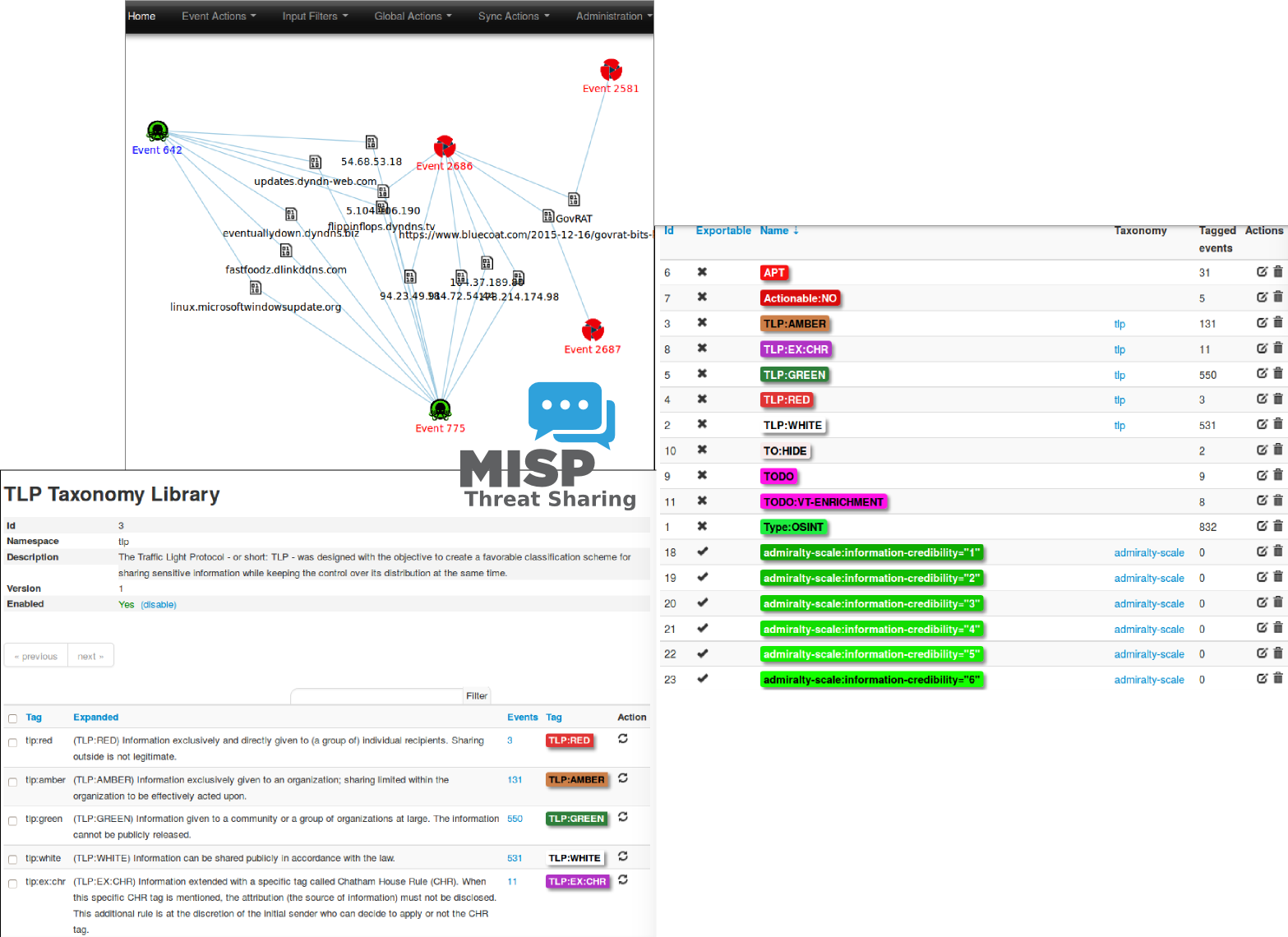
To truly appreciate what MISP v2.5.46 brings to the table, it helps to visualize an event as encoded in the platform. A MISP "event" is a structured collection of attributes—things like IP addresses, domain names, email subjects, file hashes, or even vulnerability identifiers—bundled together with metadata about the threat. Each attribute can be tagged, linked to a distribution level, and correlated against the entire database.
This structured approach means that when one organization documents a phishing campaign, another organization—thousands of miles away—can immediately see if that same campaign has been observed in their environment. The result is faster detection, earlier containment, and a more resilient security posture across the board.
## Getting Started with MISP
For those ready to dive in, the MISP project offers a wealth of resources. The official website at misp-project.org includes detailed information about the software, standards, tools, and the broader MISP community. Regular updates and security news are posted on the MISP project's Mastodon account, Twitter account, and news page—so staying current with platform developments is easy.
When it comes to deployment, the project recommends exploring the various options available at misp-project.org/download. Whether you're setting up a test environment or rolling out a production instance, there are pre-built packages, Docker containers, and virtual machines to accelerate the process.
Once installed, the MISP user guide—commonly called the MISP-book—is available online, as a PDF, EPUB, or MOBI/Kindle format. New users should also review the FAQ section to avoid common pitfalls and learn best practices from the community. For those who want to contribute, the contributing page outlines opportunities, and the Code of Conduct ensures a respectful and productive environment for all participants.
## Contributing to the MISP Ecosystem
The MISP project thrives on community participation. If you're a hacker or security researcher who wants to give back, the project encourages you to fork the code, experiment, patch, and submit pull requests via the GitHub issue tracker. There are countless ways to contribute—not just code, but also documentation, user guides, new tools, and even sharing high-quality threat data that enriches the community pool. As the project states, "Feel free to contact us, create issues, if you have questions, remarks, or bug reports."
One important technical detail for those tracking the codebase: the project currently maintains one main branch (2.5) and one stable branch for version 2.4. This branching strategy ensures that while new features are developed on the main branch, the stable branch remains production-ready for organizations that prioritize stability over bleeding-edge functionality.
## Licensing and Legalities
For security researchers who care about licensing terms, MISP is licensed under the GNU Affero General Public License version 3 (AGPLv3). This license ensures that the software remains free and open, while also providing strong protections against proprietary lock-in. If you deploy MISP as a network service, you're required to provide the source code to your users—a provision that keeps the ecosystem genuinely open.
The full list of authors and contributors is available on the project's site, offering transparency into the many hands that have shaped this platform. It's a testament to the open-source ethos that MISP continues to evolve, driven by the very community it serves.
## The Road Ahead
As the cybersecurity landscape grows increasingly hostile, platforms like MISP are no longer optional—they're essential infrastructure. The v2.5.46 release reaffirms MISP's position as the definitive open-source threat intelligence platform, capable of handling the scale, complexity, and pace of modern threats. Whether you're looking to share indicators, analyze attack patterns, or feed automated detection systems, MISP provides the backbone you need.
## Final Thoughts
In a field where collaboration is often lauded but rarely implemented effectively, MISP v2.5.46 stands out as a practical, battle-tested solution that bridges the gap between individual incident response and collective defense. By enabling the efficient sharing of structured cybersecurity indicators, malware analysis findings, and attack patterns across organizations and borders, MISP transforms isolated defense efforts into a unified front. For hackers, analysts, and security professionals alike, mastering MISP isn't just a skill enhancement—it's a strategic advantage. Dive in, contribute, and be part of the intelligence-sharing revolution.