**Hacker Pranks**
**"Hacked Surveillance Cameras Turned into Wartime Weapons: The Unsettling Story of Israel's Use of Tehran Street Cams"**
In a chilling display of the darker side of cybersecurity, it has been revealed that Israel used hacked surveillance cameras in Tehran to track down and kill Iran's supreme leader, Ayatollah Ali Khamenei. This disturbing development highlights the alarming ease with which adversarial nations can exploit vulnerable camera systems for malicious purposes.
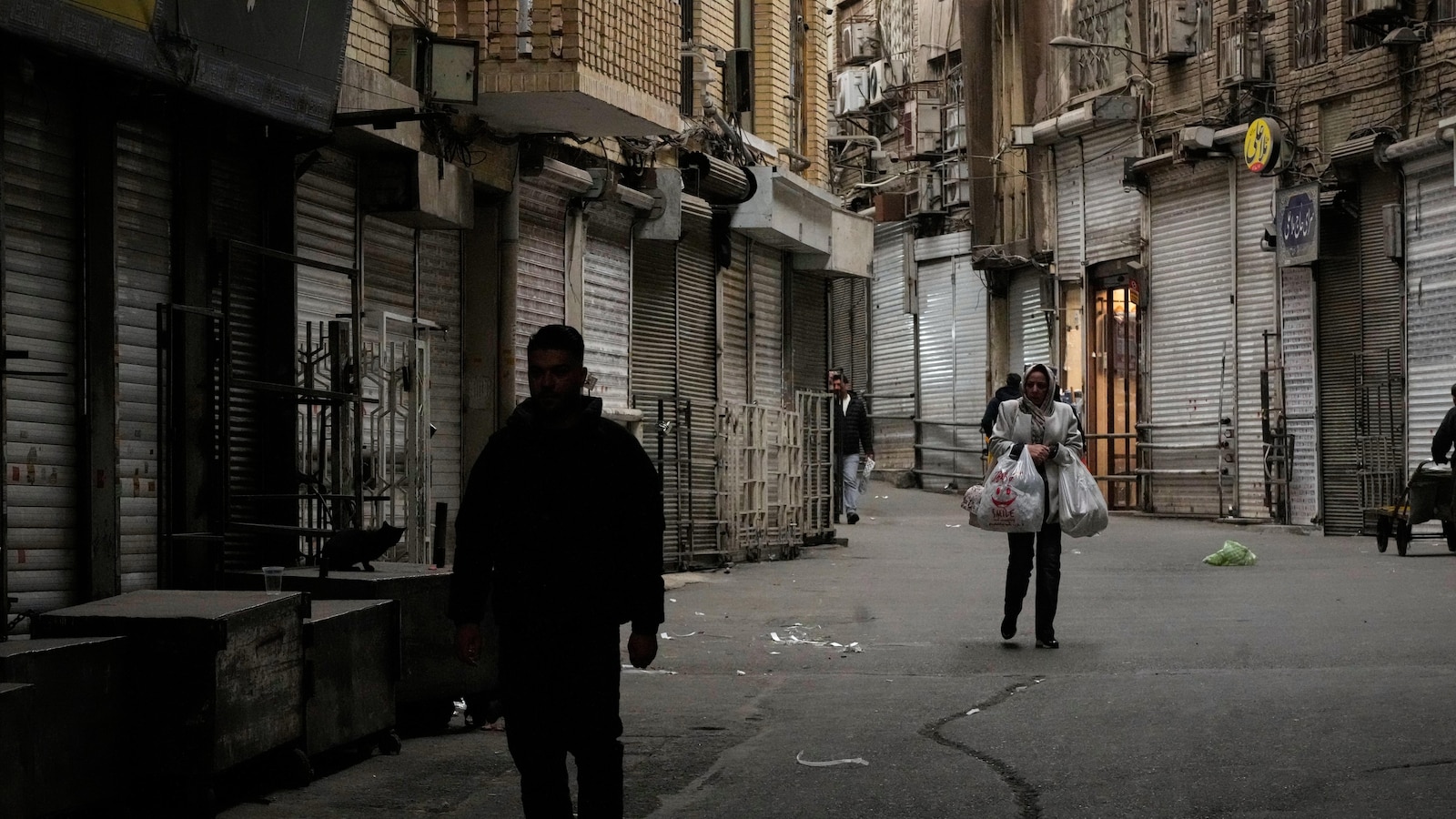
The story begins with Iran's extensive network of street cameras, installed to quell dissent and monitor protests in the capital city. However, these cameras have been repeatedly hacked over the past few years, compromising their security and making them vulnerable to exploitation by adversaries. The Associated Press obtained leaked data and conducted interviews to shed light on the role of these compromised cameras in Israel's operation.
**Vulnerabilities in Surveillance Systems**
The ease with which surveillance systems can be hacked is a pressing concern for governments and cybersecurity experts alike. With millions of cameras connected to the internet and poorly secured, it's a "fish in a barrel" situation for hackers. Companies have advertised cameras that are easily accessible via cellphones, making them trivially easy to hack. Even more disturbing is the fact that surveillance systems set up by governments on isolated networks can be compromised with just one insider turncoat.
Cybersecurity expert Paul Marrapese has been warning about the vulnerability of cameras since 2019 and has demonstrated the ease with which he could hack millions of cameras from his home office in California. A scan of unprotected camera feeds this year turned up nearly three million hits, including almost 2,000 cameras in Iran alone.
**Artificial Intelligence: The Key to Exploiting Hacked Footage**
Recent advances in artificial intelligence have enabled militaries and intelligence agencies to sift through vast amounts of surveillance footage and identify targets in real-time. With the ability to perform simple keyword searches, AI can scan feeds and return results almost immediately, overcoming the critical hurdle of sifting through huge amounts of video.
The use of AI-powered systems has become increasingly prevalent in the exploitation of hacked footage, allowing militaries to overcome the need for human analysts to manually review footage. This development raises serious concerns about the potential misuse of surveillance technology in future conflicts.
**Consequences and Implications**
The killing of Ayatollah Khamenei serves as a stark reminder of the risks associated with hacking surveillance systems. The fact that Israel was able to use Tehran's own cameras against its leadership is a disturbing indication of the ease with which adversaries can exploit vulnerable camera systems.
As governments and intelligence agencies continue to rely on surveillance technology, it's essential to acknowledge the vulnerabilities in these systems and take steps to address them. With an estimated one billion security cameras installed worldwide, the potential for exploitation is vast.
The use of hacked surveillance cameras as targeting tools also raises concerns about the safety and security of citizens living in areas where such systems are deployed. The increasing use of AI-powered systems to exploit hacked footage only serves to underscore the gravity of this issue.
**Conclusion**
The hacking of surveillance cameras has become a pressing concern for governments and cybersecurity experts, with significant implications for national security and global stability. As the world grapples with the consequences of this development, it's essential to acknowledge the role of artificial intelligence in exploiting hacked footage and take steps to address the vulnerabilities in surveillance systems.
Only by acknowledging these risks can we work towards developing more secure surveillance technologies that prioritize the safety and security of citizens living in areas where such systems are deployed.
**Sources:**
* Associated Press investigation into leaked data and interviews with experts * IPVM research on surveillance technology * Check Point Research report on Iranian hacking attacks on cameras * Interviews with cybersecurity experts, including Paul Marrapese and Bruce Schneier
**Related Topics:**
* Hacking and Cybersecurity * Surveillance Technology * Artificial Intelligence * National Security * Global Stability