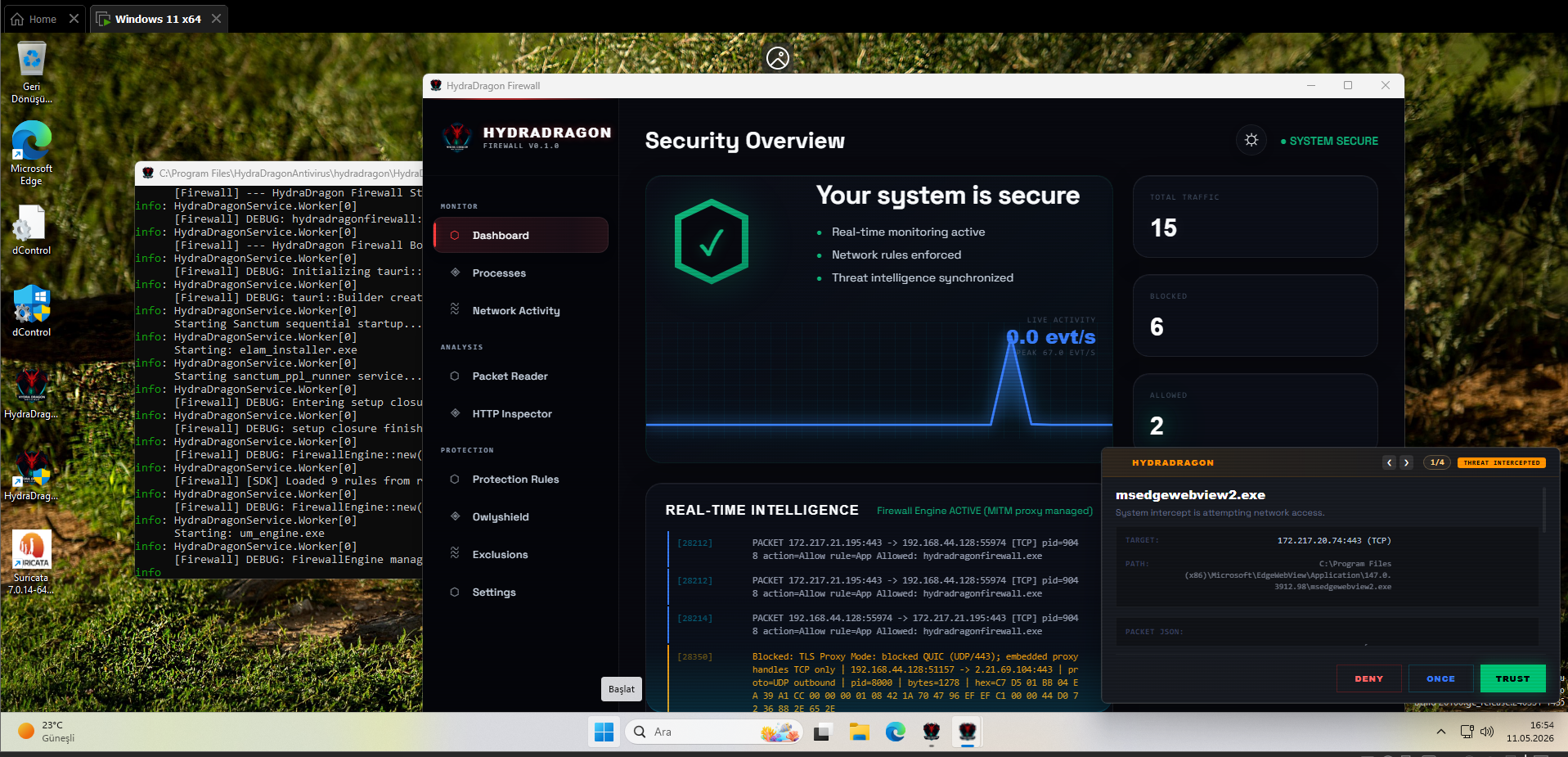
HydraDragonAntivirus: The Open-Source Malware Analysis Beast That Packs 3 EDRs, a Hypervisor, and Ghidra
In the ever-evolving cat-and-mouse game of cybersecurity, a new open-source project has emerged that reads like a security researcher's fever dream. HydraDragonAntivirus is not just another antivirus; it is a comprehensive, experimental malware analysis platform that integrates dynamic and static analysis, real-time threat detection, machine learning AI, and a host of low-level system components designed to dissect the most sophisticated threats. While the project is explicitly labeled as not production-ready, its ambition and technical depth are turning heads in the security research community, offering a Swiss-army knife approach to understanding and neutralizing malware on x86-64 Windows systems.
Built for expert malware analysts and security researchers, HydraDragonAntivirus aggregates a staggering number of open-source projects into a single suite. From ClamAV and YARA-X for signature-based detection to kernel-level boot protection and hypervisor-based isolation, this tool aims to provide an unparalleled view into malicious software. However, with great power comes great responsibility, and the repository is filled with stern warnings about system stability, potential for conflict, and the absolute necessity of professional knowledge to handle its experimental security drivers safely.
The Ultimate Frankenstein of Security Tooling
At its core, HydraDragonAntivirus is an aggregation project that stitches together disparate technologies to create a holistic defense and analysis environment. This is not a lightweight scanner; it is a heavy-duty analytical framework. The feature list includes open-source XDR capabilities, specifically integrating three separate EDR (Endpoint Detection and Response) projects. This is complemented by ClamAV for traditional signature-based detection and YARA-X for pattern-matching rule-based identification, allowing analysts to catch known threats and craft custom rules for emerging ones.
The inclusion of machine learning AI and behavioral analysis engines takes the project beyond simple static checks. HydraDragonAntivirus is designed to monitor how executables behave in real-time, flagging suspicious actions that might indicate a zero-day exploit. To peel back the layers of obfuscated and packed malware, the suite includes an unpacker, deobfuscator, and decompiler. It even leverages Ghidra, the NSA's open-source reverse engineering tool, to allow analysts to dive deep into the disassembled code of a threat, providing a complete workflow from initial detection to deep code-level understanding.
Hardening the Boot Process and Kernel Defense
One of the most technically impressive and risky aspects of HydraDragonAntivirus is its focus on the lowest levels of the Windows operating system. Recognizing that modern malware like bootkits and Petya-style ransomware target the Master Boot Record (MBR), the project includes a critical component called MBRFilter. This filter is configured as a SERVICE_BOOT_START (0) UpperFilter, ensuring that the Master Boot Record is protected from the very first moment the disk stack initializes. This provides a hardware-level resistance that is often missing from user-mode antivirus solutions.
Furthermore, the project integrates kernel-level and hypervisor-based protection mechanisms. By using projects like RedDbg and SimpleSVM for HyperVisor support, HydraDragonAntivirus can potentially run the analysis sandbox under a hypervisor, offering an isolated environment that is incredibly difficult for malware to detect or escape. This "Zero-Disk Rule Architecture" is a crucial design choice, specifically avoiding hardcoded kernel protection rules that could be exploited via path-based attacks. As the developer notes, this prevents post-infection tampering, denying attackers a first-mover advantage even if they manage to compromise the system initially.
Real-World Challenges: The 260-Character Path Nightmare
Despite its power, the project is a developer's sandbox, not a polished commercial product. A glaring example of its experimental nature is the "OpenEDR Long Path Issue." One of the integrated EDR components contains deeply nested directory structures that exceed Windows' default 260-character path limit. This means that before you can even clone or build the OpenEDR component, you must tweak the system to allow long file paths; otherwise, the build fails with cryptic path-related errors. This is a standard hurdle for developers dealing with complex dependencies, but it highlights the project's lack of user-friendliness for the average IT admin.
Additionally, the developer warns of severe version conflicts if the required third-party components are already installed. The installer is designed for clean or freshly formatted Windows PCs. Running it on a system with pre-existing versions of these components can cause service conflicts, path issues, and unexpected installer behavior. The recommended fix? Uninstall everything and start fresh, or use a clean virtual machine. This reinforces the directive that HydraDragon is not meant to replace your daily driver antivirus, but rather to function as a specialized tool in a controlled lab environment.
Data, Databases, and Lost Samples
For those interested in the data science side of security, HydraDragonAntivirus goes a step further by offering downloadable malware and benign databases. These datasets are crucial for training the machine learning AI models included in the project. The repository provides links to PE (Portable Executable) Malware Databases (53k+ samples), PE Benign Databases (204k+ samples), and JS (JavaScript) Malware and Benign Databases (39k+ each). There is even an older database with known false negatives and false positives, allowing researchers to test the robustness of their detection engines.
In a candid moment of transparency, the developer notes a tangible loss in the security community: "Due to my USB stick being broken and no longer recoverable, approximately 6,000 benign samples were lost forever." Some of these samples were so unique that they were not even available on VirusTotal. This anecdote serves as a reminder of the fragility of research data and the immense effort required to curate high-quality datasets for cybersecurity research, where data loss can set back training efforts significantly.
The Threat Model and Liability
The project is very explicit about its scope and limitations. HydraDragonAntivirus is strictly for x86-64 Windows platforms; aarch64 and other architectures are not supported. It is designed to operate locally, with the exception of the Xcitium cloud component. The developer is also clear about what this software is not: it is not a replacement for your primary antivirus, it is not production-ready, and it might not detect very old malware samples. The software is designed to protect against malicious automated threats, but it "is not designed to protect against human error or intentional system modifications."
The user liability section is equally stark. The repository is intended strictly for expert malware analysts and security researchers. It contains low-level system components and experimental security drivers that require professional knowledge to handle safely. For complete removal of kernel drivers and system services, a reboot into Safe Mode is required. This is not a tool for the faint of heart, and the author effectively shifts the responsibility onto the user to understand the deep system modifications that the software will make.
Conclusion: A Glimpse into the Future of Antivirus?
HydraDragonAntivirus openr-v2-release-9 is a fascinating glimpse into the bleeding edge of cybersecurity defense. It proves that with enough aggregation, open-source projects can rival the feature sets of commercial suites. By combining static analysis, dynamic sandboxing, kernel-level hooks, and artificial intelligence, it creates a formidable arsenal for dissecting malware. It is also a stark reminder of the complexity and volatility inherent in low-level security development. While you should absolutely not install this on your grandmother's laptop, security researchers and cybersecurity enthusiasts looking for a deep-dive challenge will find HydraDragonAntivirus a compelling, albeit dangerous, project to explore. It represents the spirit of hacking at its finest: taking existing technologies, breaking them, and rebuilding them into something new and powerful.