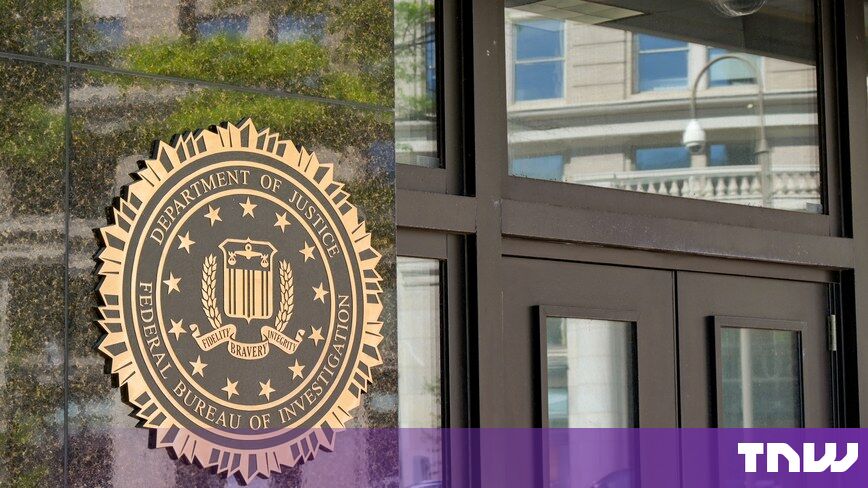
FBI Probes ShinyHunters Data Breach: Claims of Stolen Agent Info Rocks Bureau
The cybercrime group ShinyHunters has once again thrust itself into the cybersecurity spotlight, this time claiming to have compromised the Federal Bureau of Investigation’s online jobs portal. The FBI confirmed on Tuesday that it is actively investigating the potential data breach, which allegedly exposes "very sensitive" information on thousands of current agents and applicants. If verified, this incident would represent a staggering counterintelligence failure and a major escalation in the ongoing cat-and-mouse game between U.S. law enforcement and global hacking syndicates.
According to a report from 404 Media, ShinyHunters claims to have exfiltrated a trove of data from FBIjobs.gov, a portal used for recruiting. The hackers reportedly provided a sample of the stolen data to journalists, which included records for roughly 5,000 individuals. The compromised data set is said to contain highly personal details, including full names, home addresses, phone numbers, and even information regarding the spouses of FBI agents. This level of detail moves beyond typical credential stuffing or email dumps; it strikes at the heart of operational security for federal employees.
The FBI’s public acknowledgment of the incident was terse but significant. “The FBI is aware of claims regarding unauthorized activity affecting FBIjobs.gov and is currently investigating,” the bureau stated. This confirmation, coupled with sources speaking to Politico, suggests that investigators are treating the claims with utmost urgency. Two individuals with knowledge of the breach told Politico that the intelligence community views the incident as a credible and severe security lapse, specifically citing it as a "significant counterintelligence failure." The fact that these sources consider the data authentic has likely triggered a comprehensive internal review of how the bureau handles recruitment data and what specific network vulnerabilities allowed the intrusion.
While the investigation is in its early stages, the initial forensic analysis points to a likely attack vector. Investigators suspect that ShinyHunters exploited a vulnerability in Oracle PeopleSoft, a widely used enterprise human resources software platform. This is a troubling development for the broader enterprise cybersecurity landscape, as PeopleSoft is utilized by thousands of government agencies and corporations worldwide. ShinyHunters boasted to 404 Media that they utilized a "previously unknown flaw," otherwise known as a zero-day vulnerability. However, sources cautioned that this specific claim has not yet been independently verified by investigators.
Adding further context to the technical narrative, Politico noted that ShinyHunters had been observed using a different PeopleSoft zero-day against other organizations in June. That particular vulnerability was swiftly patched by Oracle, but if the group successfully reused that exploit against a system that had not yet applied the update, it would explain the breach without requiring a brand-new exploit. Regardless of whether it was a novel zero-day or an outdated patch, the attack highlights a persistent weakness in legacy software systems: organizations often fall victim to vulnerabilities for which patches already exist but have not been deployed across their entire infrastructure.
Perhaps the most bizarre aspect of this hacking saga is the motive behind it. Unlike typical ransomware gangs that operate for financial extortion, ShinyHunters is demanding something entirely different: a retraction. The group is reportedly seeking a "correction" from the FBI regarding a previous threat alert. In May, the FBI published a public alert detailing ShinyHunters’ methods, specifically after the group launched a destructive attack against the Canvas learning platform, an incident that knocked thousands of schools and universities offline. In retaliation for this intelligence bulletin, ShinyHunters has now targeted the bureau itself, demanding that the FBI "correct or simply remove" the advisory.
This unconventional motive has bewildered cybersecurity experts. Cynthia Kaiser, a former deputy assistant director of the FBI’s Cyber Division, commented to Politico on the group’s unusual behavior. Kaiser noted that attacking a federal agency to force a content correction is “[…]very atypical behavior for ransomware gangs, but goes to show you the unpredictability and immaturity of the group.” The demand suggests a brazen arrogance, indicating that the group is more interested in reputation and psychological impact than in financial gain. By targeting the very agency that is supposed to protect national security, ShinyHunters is attempting to send a message that they are untouchable and willing to escalate matters beyond standard corporate extortion.
This incident marks the second major breach of FBI systems within a single year, painting a worrying picture of federal network security. Earlier in April, a separate intrusion linked to China-associated hackers successfully accessed a wiretapping system. That breach was a stark reminder of the constant state of siege facing government IT infrastructure. Now, with the ShinyHunters incident, the FBI finds itself in the uncomfortable position of having its own internal data weaponized against it, potentially exposing the private information of its workforce to foreign intelligence services or malicious actors.
The exposure of agents' personal data—including home addresses and spouse details—creates an immediate and ongoing physical security risk. It opens the door to potential doxxing, social engineering attempts, or even targeting by foreign operatives. For undercover agents, the compromise of their personal details could be career-ending and life-threatening. This data breach serves as a sobering reminder that in the digital age, the personnel files of law enforcement are now high-value targets. The incident underscores the necessity of rigorous patch management, multi-factor authentication, and continuous monitoring for unauthorized activity on human resources platforms that often hold the most sensitive data within an organization.
As the FBI works to secure its systems and assess the full scope of the damage, the wider cybersecurity community watches with bated breath. The group behind this intrusion has a history of high-profile data breaches and is known for leaking stolen corporate databases on underground forums. While ShinyHunters has given the bureau "a great deal more to say" for the moment, the immediate priority is identifying the extent of the data theft and mitigating the fallout for the agents and applicants involved. This attack is a stark reminder that no institution is immune to hacking, and the lines between cybercrime, hacktivism, and state-sponsored attacks continue to blur.
Conclusion
The alleged breach of the FBI’s jobs portal by ShinyHunters is a developing story that highlights the escalating boldness of modern cybercriminals. Whether the motive is financial gain, notoriety, or revenge for public advisories, the incident demonstrates that federal systems are not impenetrable. As investigators dig into the Oracle PeopleSoft vulnerability angle, this event will likely serve as a case study for the importance of patch hygiene and the unpredictable threats posed by hybrid hacker groups.