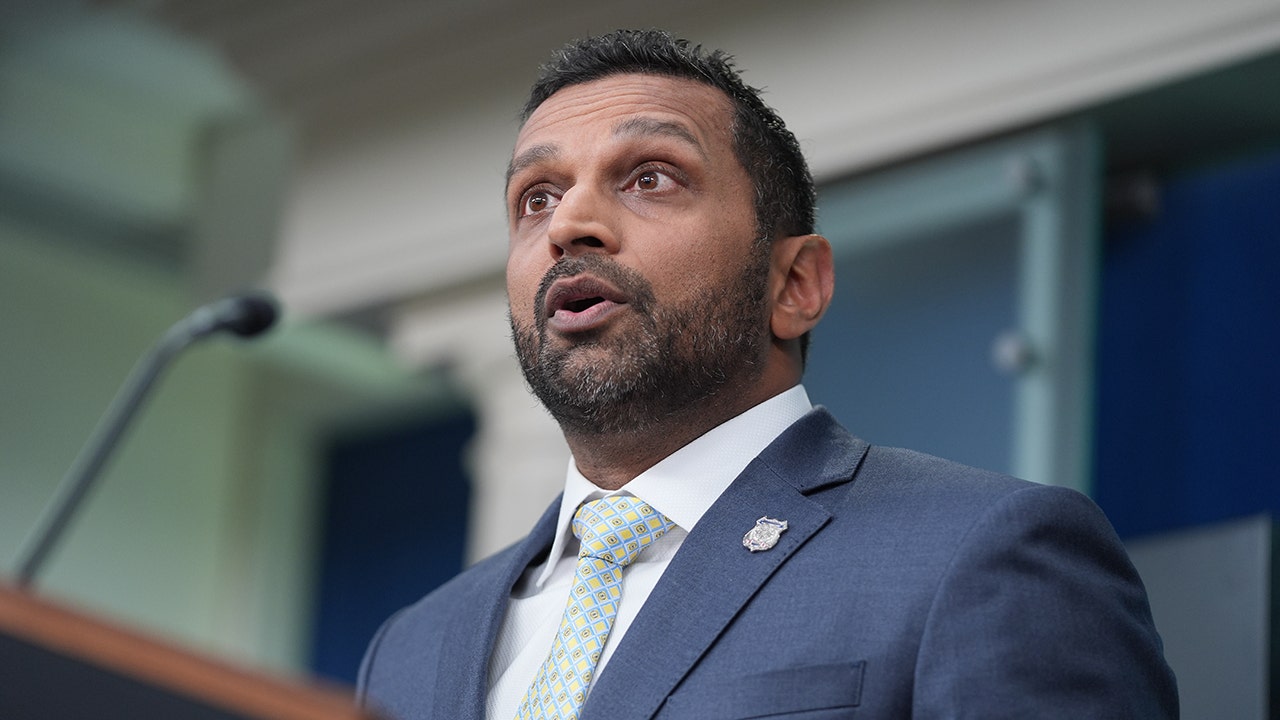
**FBI Email Hack Exposes the Vulnerability of Everyday Accounts**
The recent hack into FBI Director Kash Patel's personal email account is a stark reminder that even the most secure organizations can fall victim to cyberattacks. The Handala Hack Team, a group based in Iran, claimed responsibility for breaching Patel's account and posting sensitive information online. While the attack didn't compromise any classified systems or government data, it highlights the ease with which hackers can target personal accounts.
This incident is not an isolated case. Cybersecurity experts have long warned that foreign governments, including those linked to Iran, have been targeting Americans, especially those connected to government or politics. These campaigns often intensify during periods of geopolitical tension, making it crucial for individuals to take proactive measures to protect their online presence.
**The Threat is Real and Getting More Sophisticated**
The Handala Hack Team's attack on Patel's email account was not random. U.S. officials have been warning about the threat of foreign government-linked hackers targeting Americans, including those connected to government or politics. These groups have previously targeted individuals tied to the Trump administration and private companies, highlighting their persistence and coordination.
In simple terms, your digital life can be used against you or someone you know if hackers gain access to your email account. If someone gets into your email, they own every account you have. This is why it's essential to lock down your tech to prevent such breaches.
**3 Essential Moves to Lock Down Your Tech**
To protect yourself from cyberattacks, follow these three crucial steps:
1. **Turn on Two-Factor Authentication Everywhere**: Enable two-factor authentication (2FA) on all your accounts, including email, social media, and banking services. This will add an extra layer of security, making it much harder for hackers to gain access. 2. **Clean Out Your "Digital Junk Drawer"**: Regularly delete old emails, documents, and attachments that contain personal, financial, or travel details. Use a password manager to create unique passwords for each account, and avoid reusing passwords across multiple platforms. 3. **Watch for Highly Targeted Phishing Attacks**: Be cautious of emails that appear personal and real but may be crafted by hackers using stolen data. Double-check links and sender addresses before clicking, and use strong antivirus software to detect suspicious activity.
**Additional Measures to Secure Your Online Presence**
To further protect yourself from cyberattacks:
* Use a password manager to create unique passwords for each account. * Consider using email aliases to limit the damage if one account is compromised. * Keep your devices updated with the latest security patches and fixes. * Use private and secure email providers that offer alias addresses. * Consider using a data removal service to automatically request the removal of your information from data broker sites.
**The First Line of Defense: You**
While government agencies play a crucial role in cybersecurity, it's ultimately up to individuals to take responsibility for their online presence. By following these essential moves and staying vigilant, you can significantly reduce the risk of falling victim to cyberattacks.
What steps have you taken or plan to take to protect your accounts? Share your thoughts with us at Cyberguy.com.