**Hacker Pranks**
**EU Web Infrastructure Breached: Attackers Siphon Off Data in Shadowy Incident**
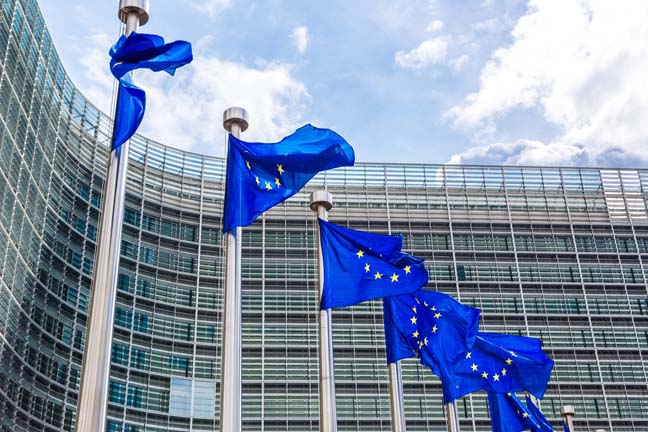
In a concerning development, the European Commission has admitted that attackers broke into its public-facing web infrastructure, compromising sensitive data. The breach, which occurred on March 24, affected cloud systems hosting the Commission's Europa websites, used for policy pages and public information. While officials claim to have contained the incident quickly, leaving no obvious outage, the details surrounding the breach are shrouded in mystery.
According to the European Commission, early findings suggest that data was exfiltrated from the compromised websites. However, they refuse to provide specifics on what type of data was taken, how much, or who might be affected. The Commission's statement also fails to address initial access, duration of attacker presence, and potential responsible parties.
The lack of transparency is puzzling, especially for an institution that emphasizes breach disclosure. While the European Commission did not respond to our questions, reports claim a threat actor may have gained access to the Commission's AWS cloud environment, exfiltrating over 350 GB of data. This disturbing revelation raises concerns about the robustness of the Commission's security measures.
**Internal Systems Unaffected: A Silver Lining?**
One glimmer of hope is that internal systems were not compromised, based on current knowledge. This suggests a reasonable separation between public web services and core network infrastructure, limiting potential damage. However, this incident serves as a stark reminder of the importance of robust security measures to prevent lateral movement.
The European Commission's second security headache in quick succession has sparked concerns about its preparedness for cyber threats. Just last month, Brussels admitted that Commission-issued mobile phones had been compromised, potentially exposing staff names and phone numbers. The lack of detail surrounding these incidents raises questions about the effectiveness of current security protocols and incident response procedures.
**Constant Cyber Pressure: A Familiar Excuse?**
The European Commission's statement attributes the breach to Europe facing constant cyber pressure, referencing initiatives like NIS2 (Network and Information Systems Security Directive). While this may be true, it doesn't excuse the lack of transparency surrounding the breach. The public has a right to know what happened, how it happened, and what measures are being taken to prevent similar incidents in the future.
As cybersecurity threats continue to escalate, institutions must prioritize transparency and accountability. By sharing knowledge about breaches and vulnerabilities, organizations can learn from each other's mistakes and strengthen collective defenses against cyber adversaries.
In conclusion, the European Commission's breach highlights the ever-present threat of cyber attacks and the need for robust security measures. As we await further information on this incident, it is crucial that institutions prioritize transparency, accountability, and incident response procedures to protect sensitive data and maintain public trust.
**Stay Vigilant: Protect Your Data from Cyber Threats**
In light of recent breaches, it's essential to revisit your organization's cybersecurity posture. Ensure you're taking proactive steps to:
* Implement robust security measures to prevent data exfiltration * Monitor for potential vulnerabilities and address them promptly * Develop incident response procedures to contain and mitigate the impact of a breach
By prioritizing cybersecurity and transparency, we can build stronger defenses against cyber threats and protect sensitive information.
**Recommended Reading:**
* **The Anatomy of a Breach:** Understanding the Implications of Data Compromise * **Cybersecurity 101:** Essential Steps for Protecting Your Organization's Data * **Staying Ahead of Threat Actors:** Emerging Trends in Cyber Attacks and Defense Strategies
Follow us on social media to stay informed about the latest cybersecurity developments, research, and best practices.