**
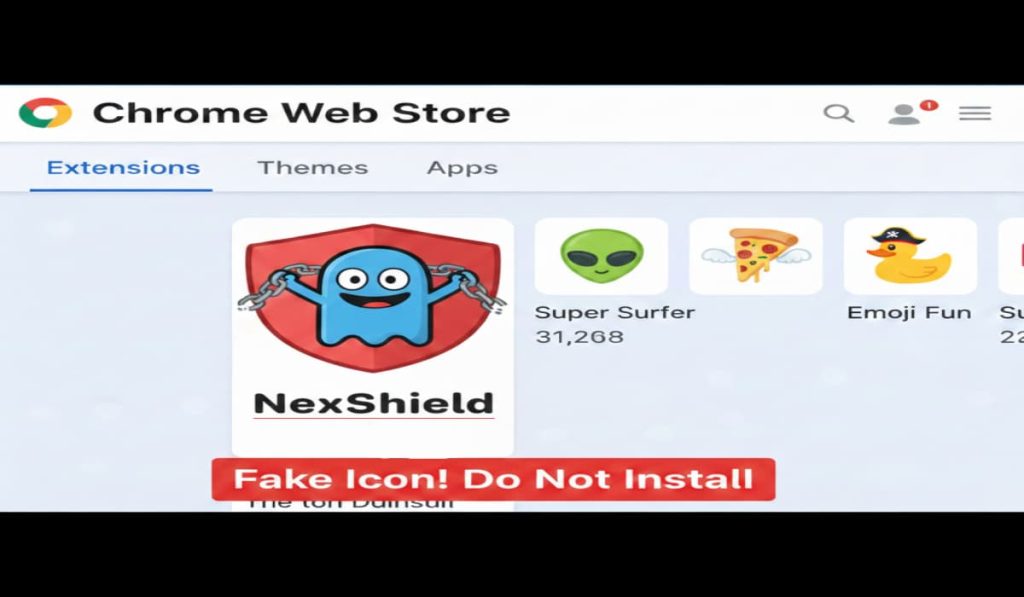
ClickFix to CrashFix: KongTuke Used Fake Chrome Ad Blocker to Install ModeloRAT
****
A sophisticated cyber attack has been uncovered, where a fake Chrome ad blocker called "ClickFix" was used to install the malicious ModeloRAT malware on unsuspecting users' devices. This is not an isolated incident, as it is part of a larger scheme orchestrated by the Androxgh0st botnet, which has also integrated Mozi malware and expanded its attacks to target IoT vulnerabilities.
****
The ClickFix Ad Blocker: A Trojan Horse for Malware
**The fake Chrome ad blocker "ClickFix" was designed to look like a legitimate extension that would block ads on users' browsers. However, in reality, it was a sophisticated trojan horse used to install the ModeloRAT malware. Once installed, the malware gave hackers remote access to victims' devices, allowing them to steal sensitive information and take control of the system.
**
Androxgh0st Botnet: A Growing Threat
**The Androxgh0st botnet is a collection of compromised devices that are remotely controlled by their creators. This botnet has been linked to several high-profile cyber attacks in recent months, and its activities have raised significant concerns among security experts. The integration of Mozi malware into the Androxgh0st botnet is particularly worrying, as it allows hackers to spread even more malware and expand their reach.
**
Mozi Malware: A Growing Concern
**Mozi malware is a type of trojan horse that can steal sensitive information from victims' devices. It can also install additional malware on the device without the user's knowledge or consent. The integration of Mozi into the Androxgh0st botnet has made it even more potent, allowing hackers to spread the malware further and expand their attacks.
**
IoT Vulnerabilities: A New Front in Cyber Attacks
**The expansion of cyber attacks to target IoT vulnerabilities is a new and alarming trend. With more devices connected to the internet every day, hackers are finding it easier to compromise them and use them as entry points for their malware. This can lead to widespread damage and disruption, making it essential for users to be vigilant about their online security.
**
What You Can Do to Protect Yourself
**To protect yourself from these types of attacks, follow these best practices:
* Be cautious when installing software or extensions on your device. Make sure you're downloading them from reputable sources. * Keep your operating system and browser up-to-date with the latest security patches. * Use a reliable antivirus program to scan your device for malware. * Avoid clicking on suspicious links or opening attachments from unknown senders.
Stay safe online by being informed and taking proactive steps to protect yourself.