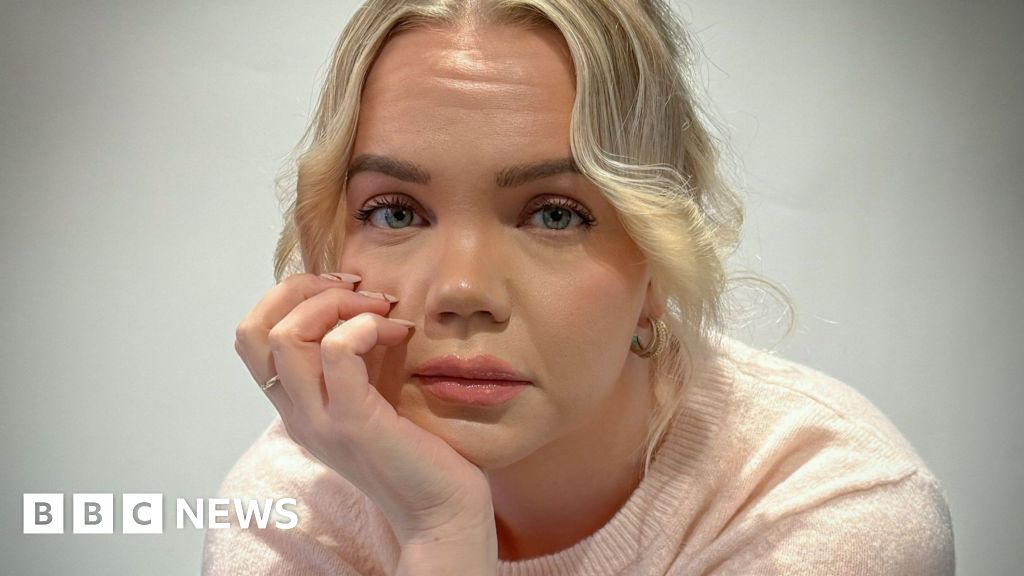
**A Faceless Hacker Stole My Therapy Notes – Now My Deepest Secrets Are Online Forever**
MERI-TUULI AUER'S eyes widened as she scrolled through her junk folder on her computer. It was an email that no one should ever see, but there it was – her full name and social security number staring back at her like a red flag.
The email claimed to be from a hacker who had infiltrated the patient database of Vastaamo, a Finnish therapy company where Auer had been seeing a therapist for years. The hacker demanded €200 in bitcoin within 24 hours or the price would increase to €500 in just two days more. And if she didn't pay, her personal information – including her name, address, phone number, and social security number – would be published online.
That's when the fear set in for Auer, a 30-year-old woman from Helsinki who had been struggling with depression and anxiety for most of her life. She was one of 33,000 Vastaamo patients held to ransom by a nameless hacker in October 2020. The victims' records included intimate thoughts about suicide attempts, affairs, and child sexual abuse.
The hack became a national scandal in Finland, with then-Prime Minister Sanna Marin convening an emergency meeting of ministers to discuss the response. But it was already too late – the hacker had published the entire database of stolen records on the dark web and downloaded copies were circulating online.
Auer's worst fears came true when she discovered her leaked therapy notes. She had confided in her therapist about her binge drinking, a secret relationship with an older man, and other personal struggles that no one else was supposed to know. But instead of destroying her, the hack made her realize she was stronger than she thought.
Today, Auer's flat on the outskirts of Helsinki appears cheerful, filled with Barbie memorabilia and a pole-dancing pole in the living room. But beneath the surface, she has struggled with mental health issues for most of her life. "I'm outgoing and confident, but I get this feeling that everyone thinks I'm stupid and ugly," Auer says.
She first sought help from Vastaamo in 2015, trusting her therapist completely. But when the hack happened, she realized how vulnerable their conversations were – and how exposed she felt. "I closed myself in at home, didn't want to leave or see anyone," she recalls.
The detective leading the investigation, Marko Lepponen, remembers the scale of the case. "It's not a normal crime – it's on a massive scale," he says. Two years later, the Finnish police identified their suspect: Julius Kivimäki, a known cybercriminal who was arrested in France and brought back to Finland.
When Kivimäki was found guilty and sentenced to six years and seven months in prison, Auer felt a sense of validation. "It's not enough to make up for everything," she says. But the hack had already left its mark – and continues to haunt her to this day.
Auer's leaked therapy records sit on a table between us as we talk. Despite being released five years ago, Vastaamo patients are still being victimized. Someone has built a search engine that allows users to find records by typing in a person's name – and Auer agrees to share some of her leaked notes with me.
"The patient is mostly angry, impulsive, bitter," she reads from the first notes written by her therapist. "I was hurt by how he described me," Auer says. The data breach has eroded trust between patients and therapists – and Auer fears it may prevent people from seeking help in the future.
Two cases of people taking their own lives after learning their therapy notes were stolen have been reported, according to the lawyer representing Vastaamo's victims in a civil case. Auer decided to confront her fears head-on by posting on social media about the hack and publishing a book about her experiences – a narrative that gives her back control over her story.
For Auer, the best way to cope with the aftermath is to move forward. "I've accepted that my secrets will always be out there," she says. But it's not something she wants to dwell on. As we wrap up our conversation, I ask if she has any advice for others who may face similar situations.
"For your own wellbeing, it's just better not to think about it," Auer replies with a shrug.