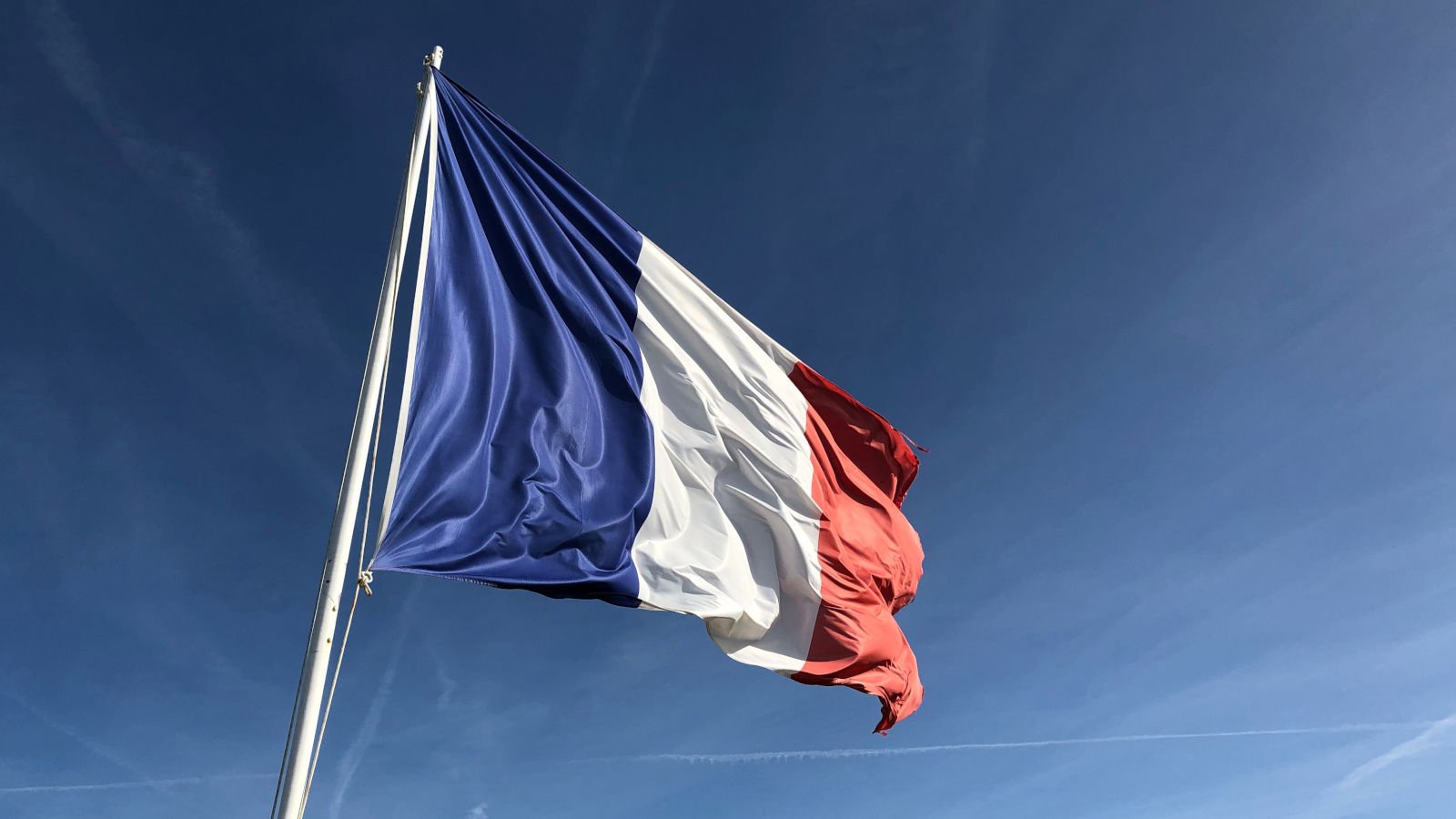
**Breaking News**
French Interior Ministry Confirms Cyberattack on Email Servers
Paris, France - In a shocking revelation, the French Interior Ministry has confirmed that its email servers were breached in a devastating cyberattack, sparking fears of data theft and compromised national security. The attack, which was detected overnight between Thursday, December 11, and Friday, December 12, allowed hackers to gain access to sensitive document files.
The ministry's spokesperson, Interior Minister Laurent Nuñez, broke the news in a statement shared with RTL Radio, "There was indeed a cyberattack. An attacker was able to access a number of files. So we implemented the usual protection procedures." He added that investigators are currently examining multiple possibilities, including foreign interference, activists seeking to demonstrate vulnerabilities in government systems, or cybercrime.
"It could be foreign interference, it could be people who want to challenge the authorities and show that they are capable of accessing systems, and it could also be cybercrime. At this point, we don't know what it is," said Nuñez, fueling concerns about the potential motives behind the attack.
The French Interior Ministry's email servers were compromised during a period of heightened global tensions, with several countries' governments and institutions falling prey to sophisticated cyberattacks in recent years. The ministry itself has been targeted before, with the APT28 hacking group, linked to Russia's military intelligence service (GRU), attributed to a series of high-profile attacks on French entities since 2021.
As part of its response to the breach, the ministry has tightened security protocols and strengthened access controls to the information systems used by ministry personnel. An investigation is underway to determine the origin and scope of the attack, with authorities working closely with international partners to track down the perpetrators.
**Background: French Interior Ministry's Vulnerability**
The French Interior Ministry plays a critical role in overseeing national security, immigration services, and law enforcement agencies, making it an attractive target for state-sponsored hackers and cybercriminals. In April, France attributed a widespread hacking campaign targeting or breaching over a dozen French entities to APT28, a group linked to Russia's GRU.
According to a report by the French National Agency for the Security of Information Systems (ANSSI), APT28 targeted a wide range of organizations, including ministerial entities, local governments, and administrations, research institutions, think-tanks, defense contractors, aerospace companies, as well as financial institutions.
**Global Implications: Cybersecurity Threats on the Rise**
The cyberattack on the French Interior Ministry is just one of several high-profile breaches in recent months. In October, the Kansas water plant's computer system was compromised, forcing manual operations to prevent catastrophic consequences. Earlier this year, a prominent cybersecurity firm disclosed that a ransomware attack had targeted several major corporations.
As governments and institutions continue to struggle with emerging cybersecurity threats, it is clear that traditional security protocols are no longer sufficient. In the wake of these attacks, nations must come together to strengthen international cooperation and share intelligence on cybercrime, ensuring that the world's most critical systems remain secure from state-sponsored hacking groups.
**Stay informed about global cybersecurity threats by following our coverage:**
* French Football Federation discloses data breach after cyberattack * Yanluowang initial access broker pleaded guilty to ransomware attacks * Google is shutting down its dark web report feature in January * Kansas water plant cyberattack forces switch to manual operations * Poland arrests Ukrainians utilizing 'advanced' hacking equipment
Stay ahead of the curve with our comprehensive coverage, featuring expert analysis and updates on the latest cybersecurity threats.