**Facial Recognition: A Revolution in Policing or a Threat to Civil Liberties?**
The use of facial recognition technology by law enforcement agencies has sparked intense debate, with some hailing it as the biggest investigative breakthrough since DNA screening, while others warn that it could turn the country into an open prison.
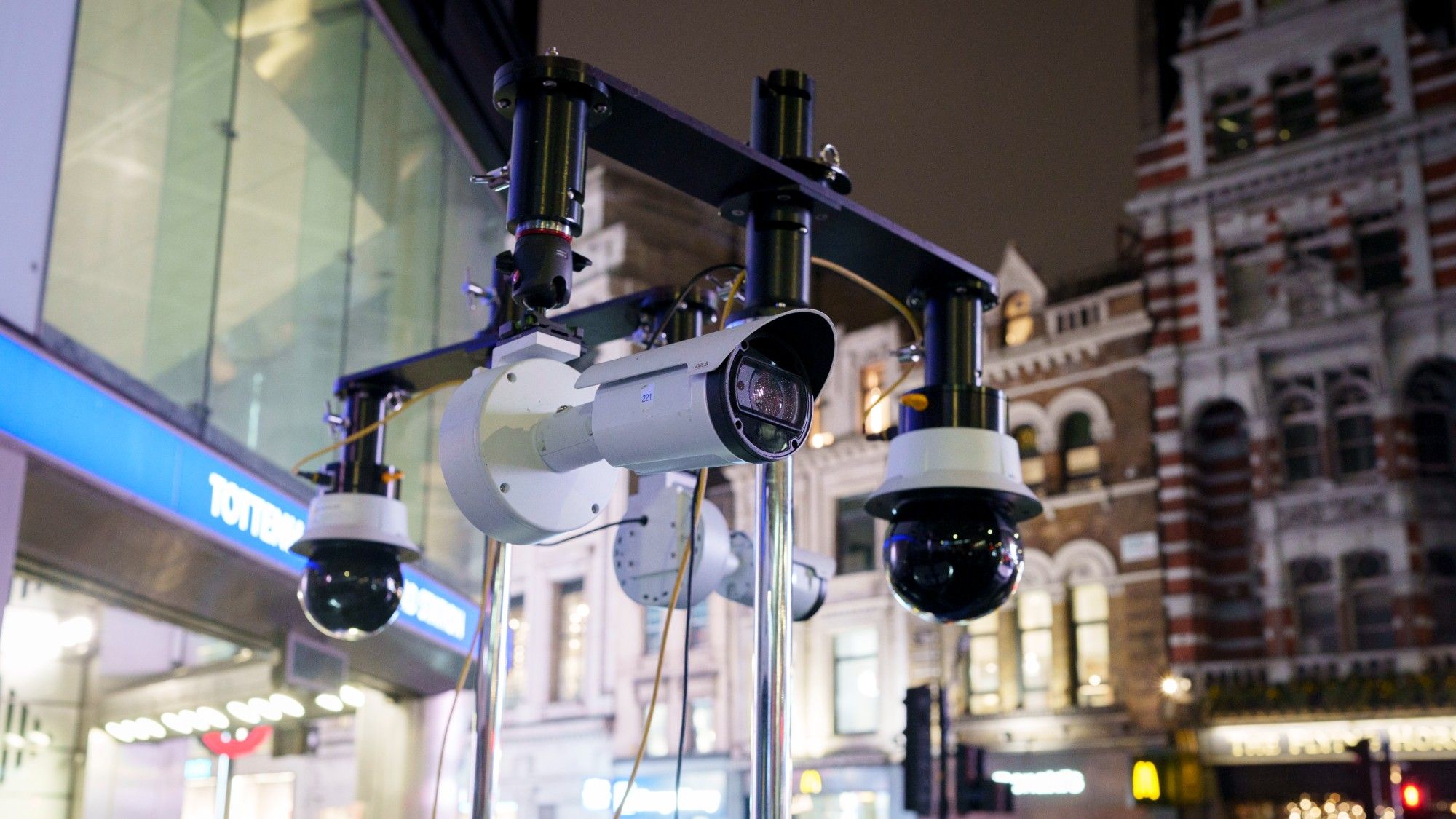
Currently, eight police forces in England and Wales are using live facial recognition to scan tens of thousands of faces a day, looking for matches on a list of offenders and suspects. But now, the Government is considering expanding its scope, with plans to give all 43 police forces access to the technology and develop a national face-matching system.
Under this plan, a database would be created that would include not just images of offenders in custody, but also passport and driving licence photos from across the country. This has sparked fears about the potential for misuse, with critics warning that it could be used to analyze footage from CCTV cameras, doorbells, dashboard cameras, and other sources.
"Using facial recognition to keep people safe at large events is proportionate," argued The Times, but having our faces tracked in every town, city, and village is truly dystopian. Strong safeguards would be needed to prevent abuse of the technology, they added.
However, supporters of facial recognition argue that it has clear benefits for police, helping them keep up with increasingly adept modern criminals. The Met Police, for example, has used facial recognition to find over 100 sex offenders who had broken their bail conditions – freeing up officers "for the actual job of policing."
Fraser Sampson, writing in The Daily Telegraph, agreed that facial recognition is a significant breakthrough, but noted a key difference between it and DNA matching. While DNA retention and use by police are carefully controlled under several acts of Parliament with clear rules, reporting obligations, and independent oversight, the same isn't true for facial recognition.
"That needs to change," Sampson wrote, "and mandatory accountability processes need to be put in place before any wider rollout." He also warned about the risk of hacking, pointing out that nothing online is ever secure, as evidenced by recent high-profile data breaches at M&S and Jaguar.
Simon Jenkins in The Guardian shared these concerns, warning that a database of every human face in the UK would be a disaster waiting to happen. "Mark my words," he said, "if the state develops such a database, it's only a matter of time before that precious data ends up in the wrong hands."
As the debate continues, one thing is clear: facial recognition technology has the potential to revolutionize policing, but its use must be carefully regulated and safeguarded to prevent abuse and ensure that civil liberties are protected.