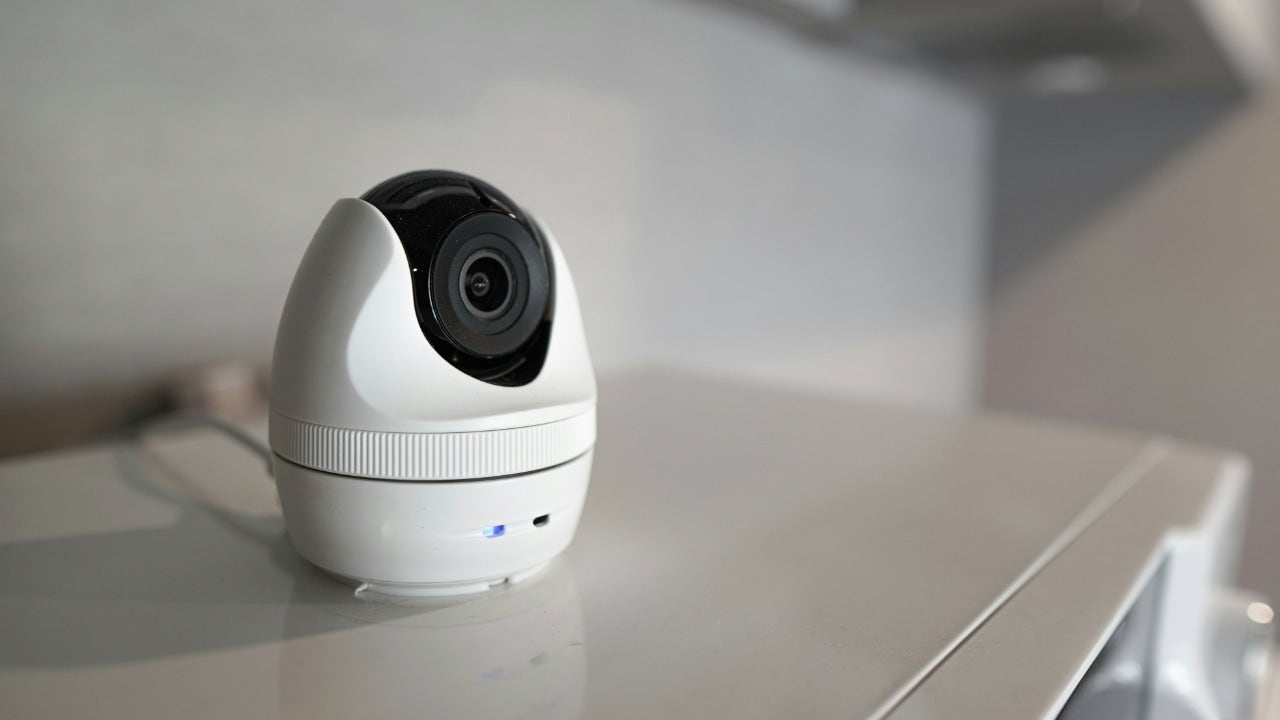
**Smart Home Hacking Fears: What's Real and What's Hype**
The recent news of over 120,000 Korean home cameras being hacked has left many wondering if their own smart homes are vulnerable to cyber threats.
Stories like these can evoke a sense of fear, with images of cybercriminals using high-tech gadgets to spy on families through smart cams. But, as we delve deeper into the issue, it's essential to separate fact from fiction and understand what's really at risk.
**The Reality of Smart Home Hacking**
While smart home hacking does occur, most incidents are not the result of sophisticated cyber attacks by strangers with advanced tools. Instead, they often stem from weak passwords or unauthorized access by someone you know, such as a family member or former employee.
Sophisticated hacking of residential smart locks for petty theft is rare. Burglars still prefer low-tech methods like unlocked doors and easy entry points.
**The Real Attack Paths**
Smart homes face a few digital threats, but most come from broad automated attacks rather than targeted attempts to breach your specific home.
- Bots constantly scan the internet for weak passwords and outdated logins, throwing billions of guesses at connected accounts. When one succeeds, the device becomes part of a botnet used for future attacks.
- Phishing emails impersonate smart home brands, with clicking on fake links or sharing login details opening the door for criminals to reach your network.
- Data breaches from IoT companies expose account details or stored camera footage kept in the cloud, which can be sold to others who might try to use it.
**Who Actually Tries to Hack Smart Homes**
When hacking happens, it usually involves someone with some level of access already. In many cases, no technical hack occurs at all. Simple steps like stronger Wi-Fi security and regular updates go a long way toward protecting connected devices.
- Exes, former roommates or relatives often know login info and may try to spy or cause trouble. Update all passwords if you suspect this.
- Banned foreign manufacturers pose surveillance risks. Check the FCC's list of companies that cannot sell security tech in the U.S. before buying unfamiliar brands.
**Everyday Gadgets That Raise Concerns**
Some everyday gadgets create small but real entry points for trouble, especially when their settings or security features get overlooked.
- Default passwords often remain unchanged by owners, making it easy for bots to breach devices.
- Older models may use outdated IoT protocols with weaker protections. Regularly update your devices' firmware to stay protected.
**Steps to Stay Safe in Your Smart Home**
Strong habits and a few simple tools can block the most common threats that target connected homes.
- Choose long, complex passwords for your Wi-Fi router and smart home apps. Use a password manager to securely store and generate complex passwords.
- Check if your email has been exposed in past breaches using a breach scanner. If you discover a match, immediately change any reused passwords and secure those accounts with new, unique credentials.
- Add two-factor authentication (2FA) to every account that supports it.
- Remove your personal details from data broker sites using a reputable data removal service.
- Add strong antivirus software on phones and computers to block malware and phishing scams.
**Conclusion**
Smart homes may feel intimidating when scary headlines surface, but when you look at real-world data, you see far fewer risks than the stories suggest. Most attacks rely on weak passwords, poor router settings or old devices. By following these simple steps and staying informed, your smart home can stay both convenient and secure.
What smart home risk concerns you most? Let us know by writing to us at Cyberguy.com
**Get Started with Cyber Safety**
* Sign up for my FREE CyberGuy Report: Get my best tech tips, urgent security alerts and exclusive deals delivered straight to your inbox. * Download the Fox News App: Stay up-to-date on the latest news and trends in technology.
Note: The article has been rewritten to improve readability, structure, and tone. HTML tags have been used to format paragraphs for better readability.