Scientists Say Dimming the Sun Could Spark Global Chaos
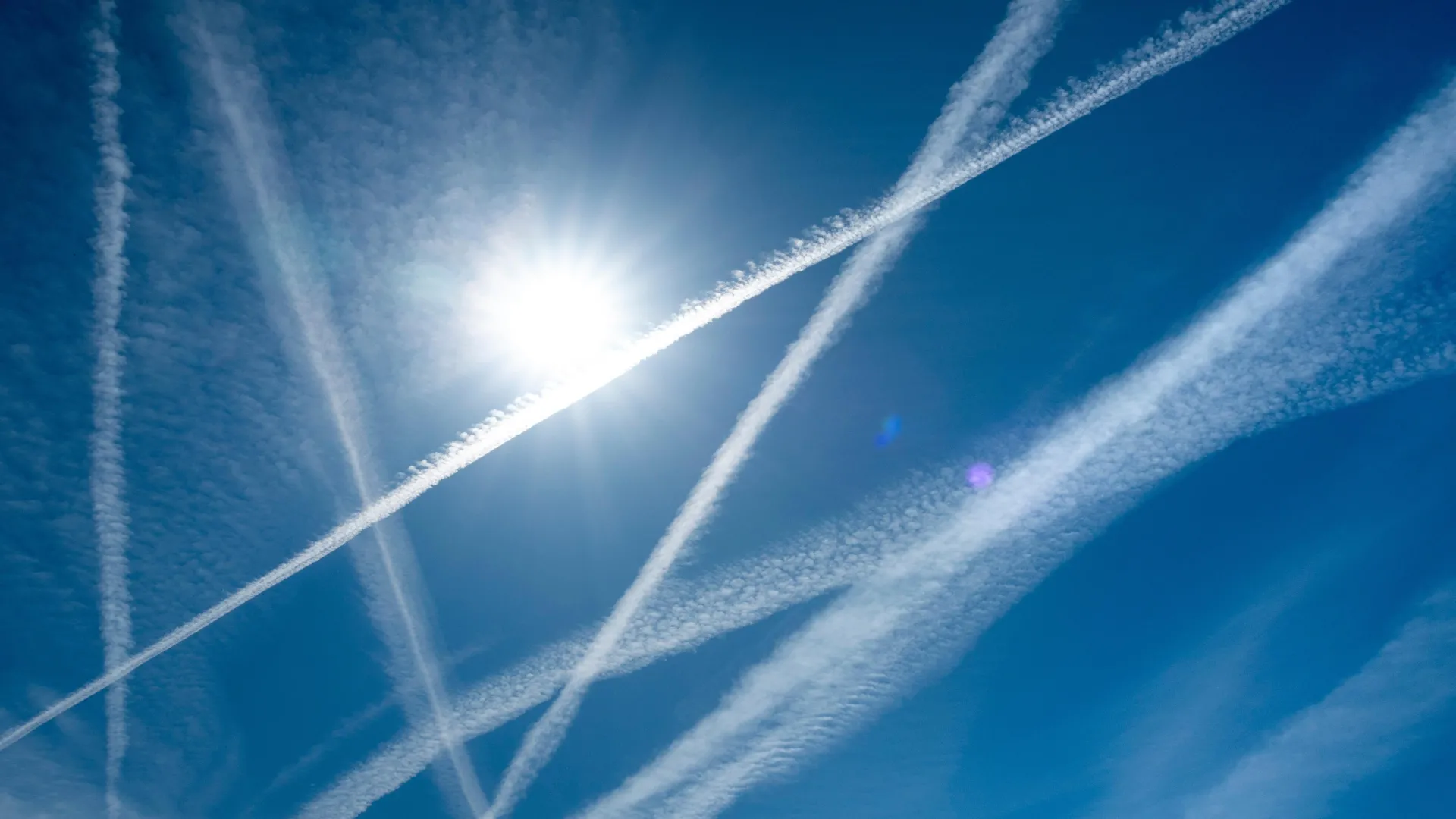
Researchers warn that real-world solar geoengineering, a technique aimed at cooling Earth by scattering sunlight-reflecting particles into the upper atmosphere, would be far more unpredictable and risky than models suggest. This proposed method, called stratospheric aerosol injection (SAI), has gained attention in recent years as a potential solution to global warming.
"Even when simulations of SAI in climate models are sophisticated, they're necessarily going to be idealized," says V. Faye McNeill, an atmospheric chemist and aerosol scientist at Columbia's Climate School and Columbia Engineering. "Researchers model the perfect particles that are the perfect size. And in the simulation, they put exactly how much of them they want, where they want them. But when you start to consider where we actually are, compared to that idealized situation, it reveals a lot of the uncertainty in those predictions."
Exploring the Limits of Solar Geoengineering
McNeill and her team conducted a study published in Scientific Reports, which examined the physical, political, and economic barriers that make SAI far more complicated in reality than in theory. They reviewed existing studies to understand how the results of SAI would depend on the details of how and where it is deployed.
"There are a range of things that might happen if you try to do this," McNeill says. "And we're arguing that the range of possible outcomes is a lot wider than anybody has appreciated until now." Key factors include the altitude and latitude of particle release, the time of year, and the total amount of material injected into the atmosphere.
"It isn't just a matter of getting five teragrams of sulfur into the atmosphere," McNeill says. "It matters where and when you do it." These variabilities suggest that, if SAI takes place, it should be done in a centralized, coordinated fashion. Given geopolitical realities, however, this is unlikely.
Most climate models studying SAI assume the use of sulfate aerosols, similar to the compounds produced by volcanic eruptions. However, volcanic activity also highlights the risks. For example, Mount Pinatubo's eruption in 1991 cooled global temperatures for several years, but it also disrupted the Indian monsoon system and contributed to ozone depletion.
Similar side effects could result from artificial sulfate releases, including acid rain and soil contamination. These concerns have pushed scientists to investigate other, potentially safer materials. Proposed alternatives include minerals such as calcium carbonate, alpha alumina, rutile and anatase titania, cubic zirconia, and even diamond.
"Scientists have discussed the use of aerosol candidates with little consideration of how practical limitations might limit your ability to actually inject massive amounts of them yearly," says Miranda Hack, an aerosol scientist at Columbia University and the new paper's lead author. "A lot of the materials that have been proposed are not particularly abundant."
"Diamond would perform well optically but is far too scarce and expensive to use. Cubic zirconia and rutile titania could meet demand in theory, but economic modeling by the Columbia team suggests production costs would skyrocket with increased demand. Only calcium carbonate and alpha alumina are abundant enough to be feasible at scale, yet both face serious technical problems during dispersion."
"Instead of having these perfect optical properties, you have something much worse," says Hack. "In comparison to sulfate, I don't think we would necessarily see the types of climate benefits that have been discussed."
According to the researchers, the many unknowns surrounding SAI — from deployment logistics to material performance — make the technique even more uncertain than previously believed.
"It's all about risk trade-offs when you look at solar geoengineering," says Gernot Wagner, a climate economist at the Columbia Business School and a close collaborator with the Climate School. Given the messy realities of SAI, he says, "it isn't going to happen the way that 99 percent of these papers model."
The study emphasizes that while SAI may seem like an attractive quick fix for global warming, the path to actually cooling the planet could be far more perilous and unpredictable than it appears. As McNeill puts it, "It's all about understanding the complexity of this problem and being realistic about what we can achieve."