**Arm-based Home Servers: Finally Hitting the Sweet Spot**
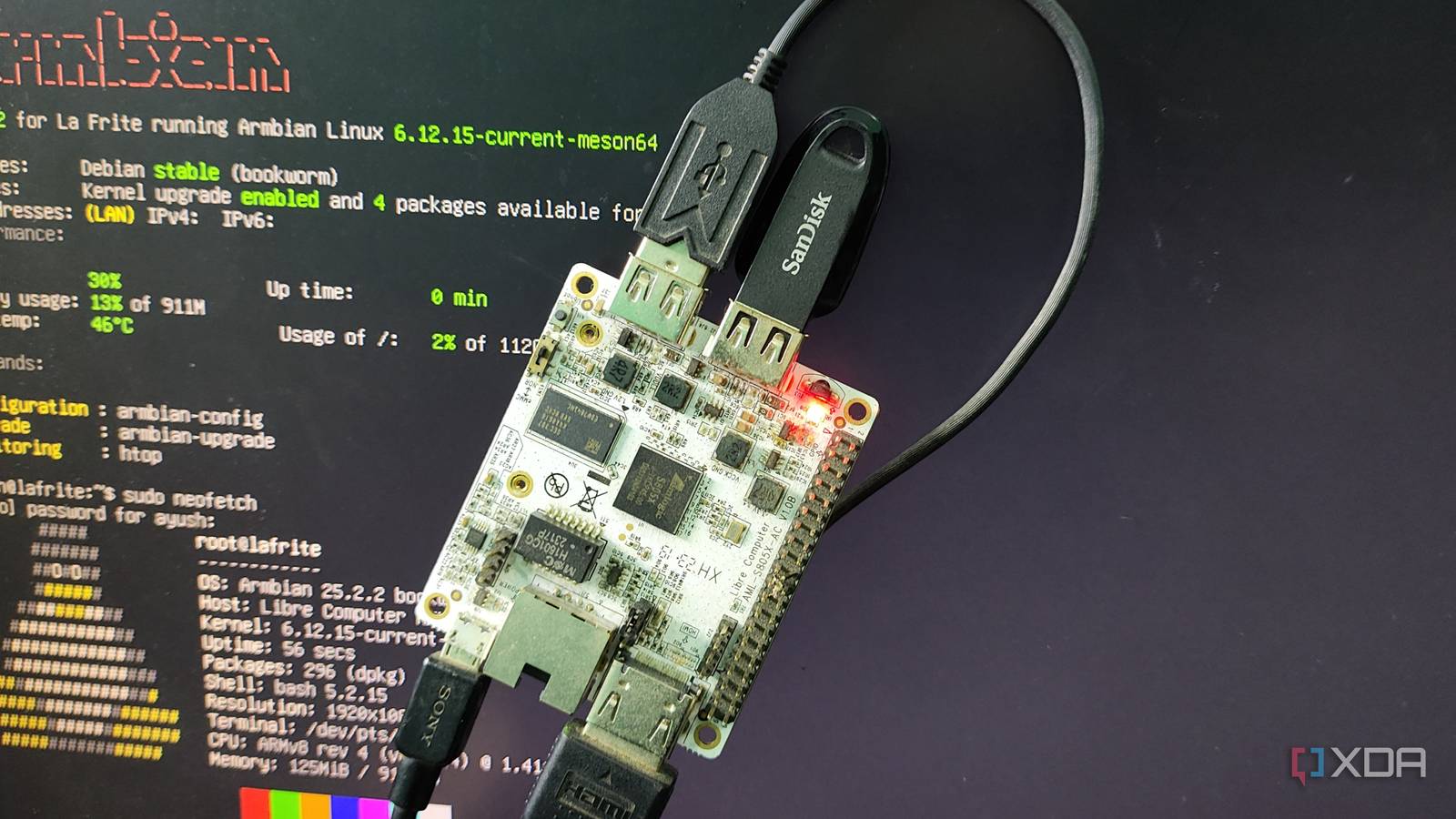
The world of Arm devices in the home lab is nothing new; we've been experimenting with single-board computers (SBCs) like the Raspberry Pi, development boards, or other embedded platforms for over a decade now. The appeal is clear: it's a small, silent operating computer that's perfect for home server tasks. However, there were always some issues that often stopped them from being fully-fledged servers.
Over the last few years, however, that's started to change. Arm-based home servers are finally reaching a point where they feel less like a compromise and more like a genuinely smart choice for a growing number of home lab workloads. Not because x86 suddenly got worse, but because the Arm ecosystem quietly fixed most of the things that held it back.
**What Was Holding Arm Back?**
The early barriers to entry weren't theoretical; they were painfully practical. Hardware support was fragmented, with vendors shipping heavily modified kernels that aged poorly and broke compatibility. Boot processes were inconsistent, often relying on custom firmware rather than standardized approaches like UEFI. Storage was another sore spot, with many boards limited to SD cards or USB storage, which sometimes just isn't enough when you're looking to set up a full-fat server.
Virtualization was arguably the biggest blocker. While containers worked reasonably well early on, full virtualization was inconsistent, poorly documented, or outright unsupported on many Arm platforms. Even when it worked, performance and tooling lagged behind what home lab users were accustomed to on x86. Combine that with limited PCIe support and constrained networking options, and Arm systems often felt locked into narrow, purpose-built roles.
**The Turning Point for Arm**
The turning point for Arm in the home server space really had nothing to do with a singular breakout product or chip, but instead, the entire ecosystem maturing at once. Mainline Linux support for Arm platforms is now the expectation rather than the exception, which brings long-term kernel updates, predictable behavior, and far fewer vendor-specific hacks.
Standardized boot flows using UEFI and ACPI have become more common, making Arm systems feel familiar instead of bespoke. On the hardware side, modern Arm platforms finally offer the I/O home lab users expect. NVMe booting is widespread, PCIe lanes are usable rather than ornamental, and higher-speed networking like 2.5 GbE and 10 GbE is no longer rare.
**The Software Stack Catches Up**
Just as importantly, the software stack has caught up. Docker, Kubernetes, and modern orchestration tools increasingly treat Arm similarly to x86. Proxmox on Arm specifically is no longer just a novelty, either. For many workloads, it’s a viable option even if some edge cases and feature gaps remain compared to x86.
**Is Arm Replacing x86 in the Home Lab?**
None of this suggests Arm is replacing x86 in the home lab. Certain workloads still favor x86 heavily, especially legacy virtual machines, Windows-based services, and builds that rely on extensive PCIe expansion. Used enterprise and gaming hardware remains compelling for deploying home servers, and for good reason: they're competitive in performance and feature everything you need to get up and running in a hurry.
However, what’s changed is that Arm no longer has to compete head-to-head to be relevant. Many home labs are naturally drifting toward setups where both architectures are used: Arm handles efficient, always-on services and x86 is reserved for heavier or more specialized tasks.
**Conclusion**
The amount of real, practical growth that has taken place on the Arm platform in recent years is impressive. Instead of being viable for a handful of small embedded tasks and being a huge pain to set up for anything bigger, it has become a true option for many applications that were mostly x86-exclusive a few years ago.
x86 still has its benefits, both practically speaking and on the technical front, but it's no longer the only viable choice. The Arm ecosystem has matured, and home lab users have more options than ever before to choose from.