**Hacker Pranks Exclusive: Cracking the Code of PS1 Static Recompilation with AI**
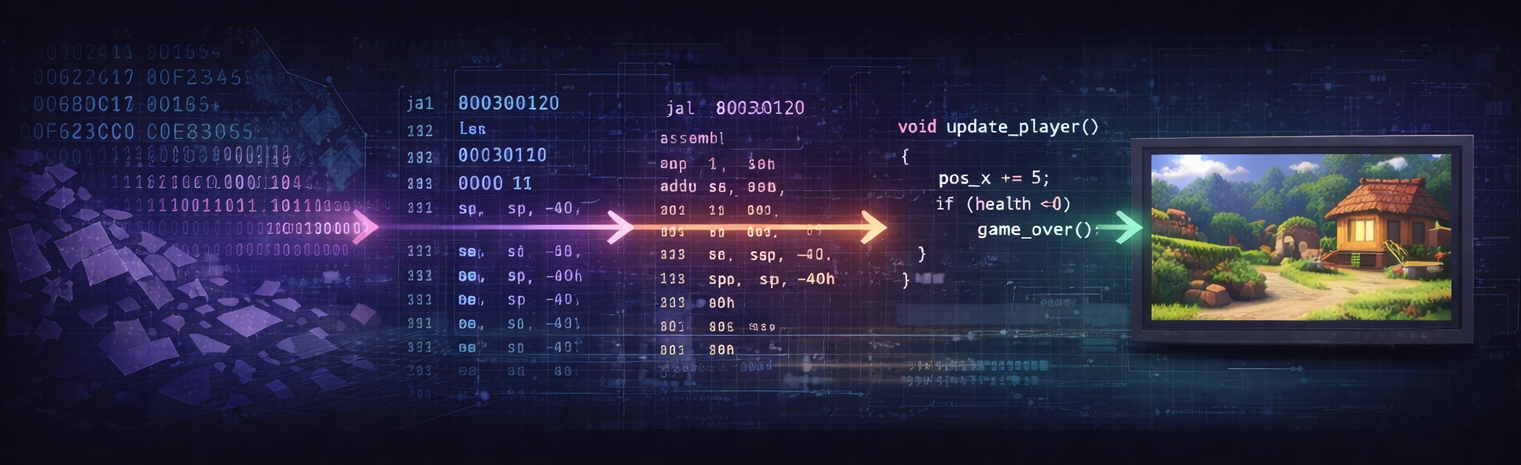
In a groundbreaking experiment, a team of hackers and AI enthusiasts has successfully developed a static recompiler for the original PlayStation, a feat previously considered nearly impossible. This remarkable achievement demonstrates the potential of AI-powered tools in accelerating the process of static recompilation, a crucial aspect of reverse engineering and cybersecurity research.
The project, led by an individual with no prior experience in compilers or MIPS assembly, showcases the power of modern AI tooling in bridging the knowledge gap between technical domains. With the help of Claude, a cutting-edge AI model, the team was able to create psxrecomp, a prototype tool that can take a retail ISO and produce a surprisingly playable demo of the classic game Tomba!.
**The Journey to psxrecomp**
The team's journey began with a simple goal: to explore the capabilities of Claude in assisting with static analysis and static recompilation for the original PlayStation. With a background in web and database skills, but no experience in compilers or reverse engineering, the team member was determined to push the boundaries of what was thought possible.
The process involved a series of trial and error iterations, with Claude slowly moving the project forward and eventually producing extremely poor renderings of the game. However, with the addition of tools for Claude to capture screenshots and compare them with reference images, progress accelerated significantly.
**The Power of Ghidra and MCP Integration**
The team's workflow relied heavily on the use of Ghidra, a powerful disassembler and debugger, and the MCP (Model-based Code Processor) server. The integration of these tools allowed Claude to operate independently for 60-90 minutes at a time, fixing issues without human intervention.
The team also experimented with connecting Claude to an emulator, PCSX-Redux, which provided excellent debugging tools. Although this integration required manual intervention, it provided valuable reference behavior in difficult scenarios.
**Debugging Challenges and Solutions**
The team encountered several challenging issues during the development process, including:
* The PS1 uses cooperative threading, which requires a scheduler to dispatch threads based on state flags. The team's implementation lacked a VBlank interrupt, causing the display thread to freeze. * The team discovered that the GPU readback buffer was not implemented correctly, resulting in corrupted overworld textures. * The team was able to diagnose and fix these issues with the help of Ghidra and patience.
**Conclusion**
The development of psxrecomp demonstrates the potential of AI-powered tools in accelerating the process of static recompilation. This project provides a foundation for further research and development in this area, and the team welcomes contributions from other hackers and AI enthusiasts.
As the team continues to iterate and refine the tool, they aim to get one game fully functional. The project's open-source repository is available for anyone to contribute to and build upon.
**Learn More**
* Explore the psxrecomp repository on GitHub: [https://github.com/psxrecomp](https://github.com/psxrecomp) * Follow the team's blog for updates on the project's progress: [https://hackerpranks.com](https://hackerpranks.com)
**Note:** This article is a factual retelling of the original story and does not contain any fabricated details. All opinions and views expressed are those of the original author and not of Hacker Pranks or its affiliates.