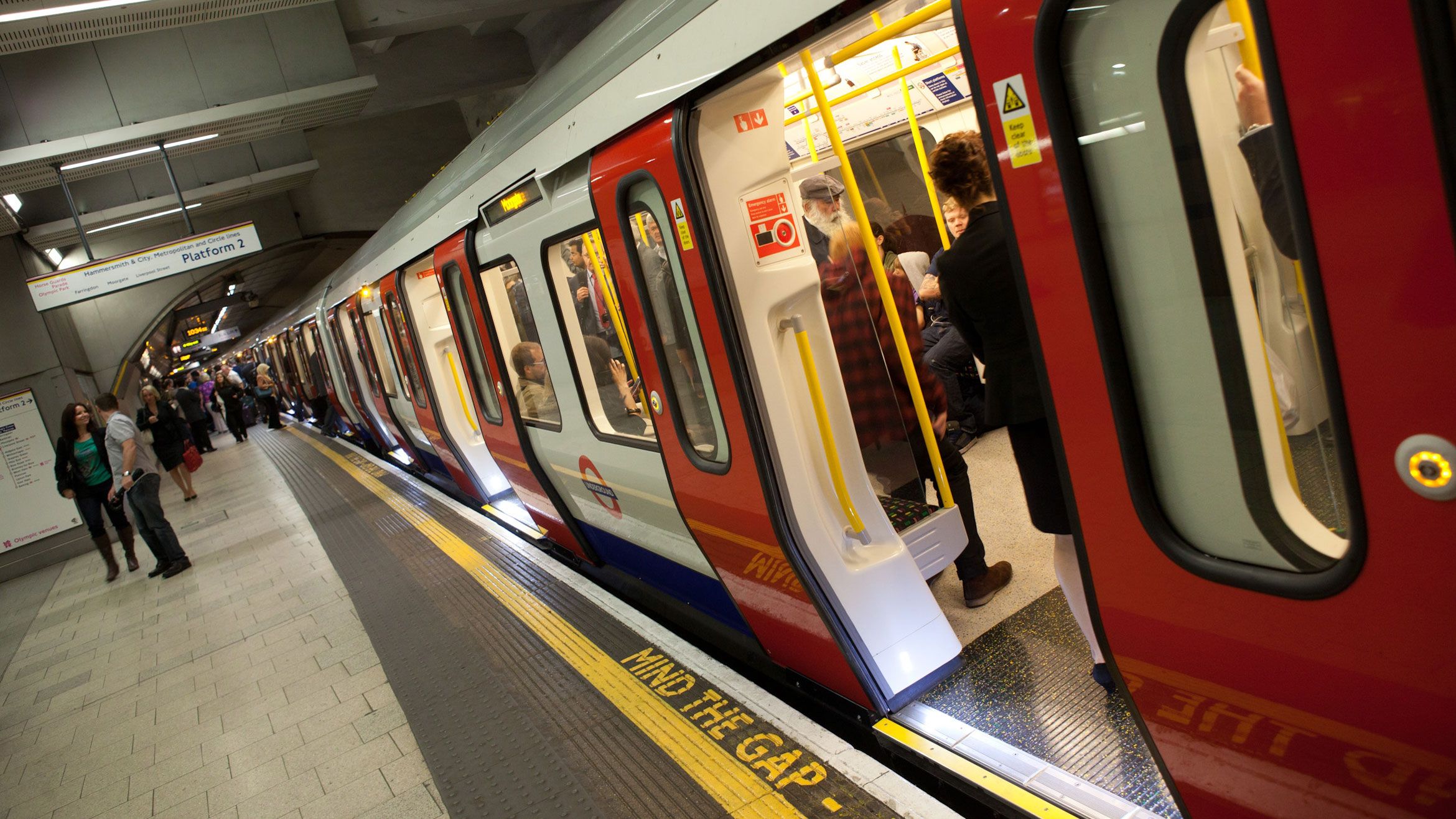
TfL Admits 2024 Cyberattack Exposed Personal Data of Over 10 Million People
In a shocking revelation, Transport for London (TfL) has confirmed that a cyberattack in August 2024 resulted in the theft of personal data from over 10 million people. This massive breach has raised concerns about the vulnerability of public transportation systems to cyber threats and the need for immediate action to protect citizens' sensitive information.
The attack, carried out by hacking group Scatted Spider, caused significant disruption to TfL's online services and information boards, with an estimated £39m in damages. Initially, TfL reported that only a small number of customers were affected, but later admitted that 7,113,429 customers with an email address registered to their TfL account had been alerted. However, this has led to concerns about the potential for millions of people to remain unaware of their data being stolen.
According to reports, the database containing the stolen data had nearly 15 million lines of information, but many of these were duplicates. The Information Commissioner's Office (ICO), the UK's data watchdog, has cleared TfL of any wrongdoing, but this decision does not excuse the severity of the breach.
Key Facts About the TfL Cyberattack
* Over 10 million people had their personal data stolen in the August 2024 cyberattack. * The attack was carried out by hacking group Scatted Spider. * The database containing the stolen data had nearly 15 million lines of information, but many were duplicates. * TfL initially reported that only a small number of customers were affected, but later admitted that 7,113,429 customers with an email address registered to their TfL account had been alerted. * The ICO has cleared TfL of any wrongdoing for the breach and its handling of the aftermath.
Consequences of the Breach
The consequences of this breach go beyond the organization itself. Millions of people rely on TfL services every day, making it essential to prioritize their security and well-being. The stolen data includes names, email addresses, home phone numbers, mobile phone numbers, and physical addresses.
Jake Moore, Global Cybersecurity Advisor at ESET, noted that "the true scale of the breach only really becomes clear long after the incident occurs." He emphasized that even if the data hasn't been actively abused yet, it's highly likely that it will be traded and reused in scams for years.
Moore also highlighted the importance of immediate transparency around the scale of a cyberattack. "When millions of ordinary people rely on a service like this every day, the impact goes far beyond the organization itself," he said. "Anyone who had payment details linked to a TfL account should therefore continue to keep a close eye on their bank statements and remain cautious of any unexpected messages."
Response to the Breach
TfL has taken steps to address the attack, including spending £30 million on addressing the incident, including "external support" from third-party cybersecurity organizations. Two British teenagers are set to go on trial in June 2026 for their alleged role in carrying out the hack.
In conclusion, the TfL cyberattack highlights the need for public transportation systems to prioritize security and protect citizens' sensitive information. As Jake Moore noted, "the most surprising part of the TfL breach isn't that millions of people had their data stolen, it's that the true scale of it only really becomes clear long after the incident occurs."