# Fake Security Alerts: LastPass Warns of Phishing Campaign Targeting Master Passwords
In recent weeks, cybersecurity experts have been sounding the alarm about a new phishing campaign aimed at stealing master passwords from users of popular password management tools like LastPass. According to a warning issued by LastPass, these fake security alerts are designed to trick recipients into revealing their sensitive credentials.
The phishing campaign, which is believed to have begun around March 1, 2026, uses fake email threads that appear to be forwarded internal messages about unauthorized account access or password changes. These emails are designed to look legitimate, with the sender's display name spoofed to appear as if it's coming from LastPass itself. However, in reality, the emails are being sent from addresses with varying subject lines, and the real sender is hiding behind these display names.
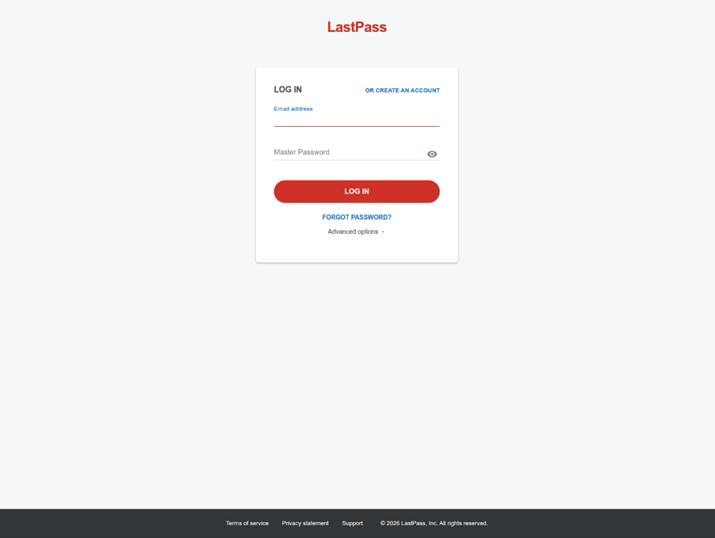
The emails urge users to click on links that lead to fake Single Sign-On (SSO) pages at verify-lastpass[.]com, where they can enter their master password credentials. This malicious link is designed to collect sensitive information from unsuspecting victims, potentially compromising their accounts and exposing them to malware and other types of cyber threats.
So, how did this phishing campaign come about? According to LastPass, the attackers are using a tactic called display name spoofing, where they impersonate the company while hiding unrelated sender addresses. This makes it difficult for email clients, especially those used on mobile devices, to detect the malicious emails as spam. In fact, many email clients will only show the display name, rather than the actual sender address, unless the user expands it.
The LastPass warning highlights the importance of staying cautious when receiving unsolicited emails from companies you trust. It also serves as a reminder that cybersecurity threats are becoming increasingly sophisticated and targeted. By using fake security alerts to steal master passwords, attackers can gain access to sensitive information and use it to compromise users' accounts.
LastPass has taken steps to address this issue, working with partners to take down the phishing sites and providing indicators of compromise (IoCs) for customers to report suspicious emails. The company is also reminding users that they will never ask for their master password and are urging them to stay vigilant.
If you're a user of LastPass or other password management tools, it's essential to be aware of these types of phishing campaigns and take steps to protect yourself. Here are some tips to help you avoid falling victim to fake security alerts:
* Always verify the sender address and display name before responding to an email. * Be cautious when clicking on links from unknown sources. * Use two-factor authentication (2FA) whenever possible. * Keep your password management tool's software up-to-date with the latest security patches. * Report suspicious emails to LastPass or your email provider immediately.
By being aware of these tactics and taking steps to protect yourself, you can reduce the risk of falling victim to phishing attacks like this one. Remember, cybersecurity is a shared responsibility, and by working together, we can create a safer online community for everyone.