Iran's Cyber Retaliation: A Threat to U.S. Companies
The recent strikes on Tehran have sent shockwaves across the globe, but the aftermath has revealed a sinister threat that U.S. companies cannot ignore: Iran's cyber retaliation. As millions of Iranians received strange push notifications on their phones, hacking experts warn that this is only the beginning of a new era in cyber warfare.
The BadeSaba Hack: A Template for Iranian Proxy Groups
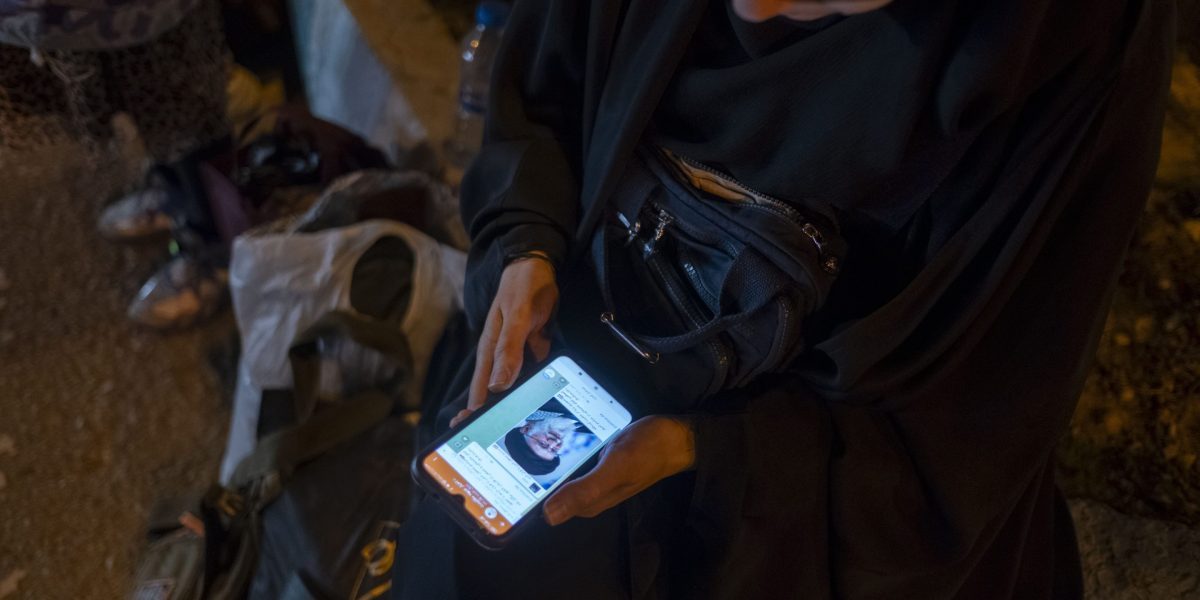
On Saturday morning, millions of Iranians got a mysterious message on their phones, courtesy of the BadeSaba Calendar prayer app. The app, which has over 5 million downloads, had been compromised and issued alerts calling for a "People's Army" to defend their "Iranian brothers." This hack was just the beginning of a coordinated campaign by Iranian proxy groups, known as Iran's "Great Epic" cyber campaign. Under this umbrella, various cyber attackers have shut down gas stations in Jordan, led attacks against U.S. and Israeli military providers, and conducted psychological operations mimicking the BadeSaba hack.
The Anatomy of an Iranian Cyber Attack
According to Kathryn Raines, a former NSA expert turned threat intel team lead at Flashpoint, Iranian proxy groups are allegedly using Telegram and Reddit as coordination hubs, posting screenshots of alleged attacks as proof. However, verifying accuracy takes weeks or months, making it challenging for businesses to respond effectively. The lack of central command structure in Iran means that proxy groups are now making their own targeting decisions, without approval from authorities.
The Risks for U.S. Companies
Brian Carbaugh, co-founder and CEO of AI-based security firm Andesite and former director of the CIA's Special Activities Center (SAC), warns that U.S. businesses need to be prepared for continued uncertainty. "Iranians have consistently shown over the years that they are incredibly resilient as a government and resistance force," he said. Given the regime's bombarding of its neighbors, people should expect Iran to unleash their formidable offensive cyber capabilities in addition to other aspects of national power.
The Need for Vigilance
As U.S. and Israeli attacks degrade Iran's conventional military capabilities, cyber attacks appear more attractive. "Aggressive and creative resistance is baked into the ethos of the Iranian security apparatus and across the Islamic Republic of Iran," Carbaugh said. For business leaders and those protecting businesses, it's essential to be prepared for this to continue on for some time and for the conflict to take different courses.
Preparing for the Worst-Case Scenario
According to Raines, most corporate security plans aren't ready for attacks like the BadeSaba hack, which pushed a notification to potentially millions of Muslims in Iran. "Companies aren't really prepared for what I'll call nihilistic psychological operations that are really meant to target the mental state and trust of their workforce," she explained. This could manifest in businesses receiving urgent messages attributed to regional leaders or CEOs, or communications purportedly from the company on evacuations.
The Future of Cyber Warfare
As the conflict escalates, cyber warfare is likely to become a critical aspect of national power. Carbaugh emphasized that this isn't a crisis with a near-term resolution and will require constant vigilance and protection of cyber networks, physical security, and all other assets. "I don't think this is going to be one we're going to tidily wrap up and move on from in a few days," he said.
In conclusion, the recent strikes on Tehran have sent shockwaves across the globe, and U.S. companies need to be prepared for Iran's cyber retaliation. The BadeSaba hack demonstrates the template that Iranian proxy groups could now try to deploy in reverse against Western companies and others. As businesses navigate this uncertain landscape, it's essential to stay informed and take proactive measures to protect their networks and assets.
**Keywords:** #cybersecurity #hacking #Iran #UScompanies #GreatEpic #BadeSabaHack #Telegram #Reddit #cyberretaliation #Iranianproxygroups #ciberwarfare