# The Interview's Fallout: How a Hacked Sony Pictures and Seth Rogen's Comedy Sparked a Global Controversy
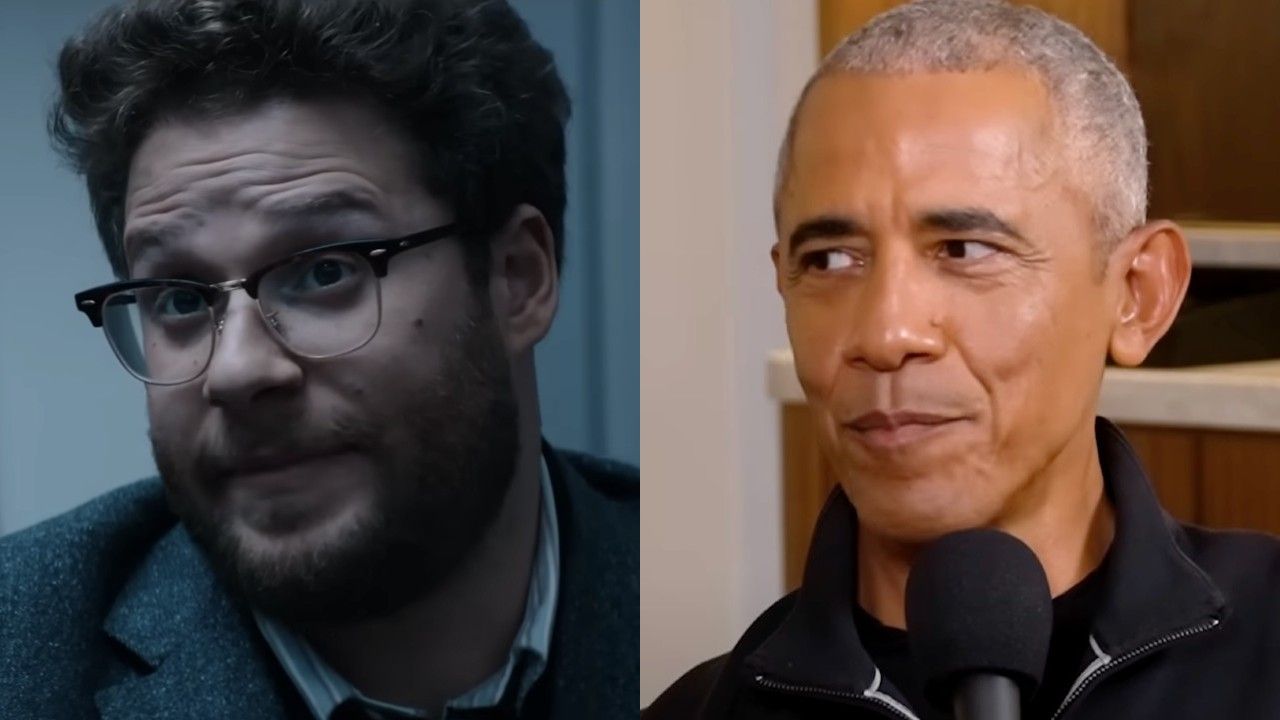
In 2014, the release of Seth Rogen's comedy film "The Interview" sparked a global controversy that would expose the vulnerabilities of Sony Pictures' security measures. As the story unfolded, former President Barack Obama himself weighed in on the situation, sharing his thoughts on the movie's plot and its potential consequences.
The film, which starred Rogen and James Franco as journalists tasked with assassinating North Korean leader Kim Jong Un, was initially set for release in October 2014. However, amid growing tensions between the US and North Korea, Sony Pictures decided to postpone the film's launch due to concerns about potential backlash from the North Korean government.
Just days later, on November 24, 2014, Sony Pictures suffered a devastating data breach. Hackers, believed to have ties to the North Korean government, stole sensitive information, including employee personal details and confidential company data. The breach exposed a range of vulnerabilities in Sony's security measures, highlighting the need for stronger cybersecurity protocols.
In his new memoir "From Mistakes to Meaning: Owning Your Past So It Doesn’t Own You," Michael Lynton, former CEO of Sony Pictures, revealed that he had spoken to President Obama about the situation. The former president reportedly shared a blunt assessment of the film's plot, expressing concerns that killing the leader of a hostile foreign nation could be seen as reckless and potentially destabilizing.
So what led Sony Pictures to greenlight "The Interview" in the first place? Lynton cited a rivalry between his studio and Universal Pictures, as well as a personal desire to join the ranks of subversive filmmakers who had made waves with edgy movies. However, this decision ultimately proved costly for the studio, both financially and in terms of public relations.
As the film's release date approached, major theater chains declined to carry it due to concerns about potential backlash from the North Korean government. In response, Sony released "The Interview" on digital platforms, where it grossed $40 million in rentals and an additional $12.3 million worldwide via a limited theatrical run.
While "The Interview" ultimately found some success at the box office, its production was marred by controversy and the fallout from the data breach. As hackers continue to exploit vulnerabilities in corporate systems around the world, this incident serves as a stark reminder of the importance of robust cybersecurity measures and responsible decision-making.
In conclusion, the story of "The Interview" and Sony Pictures' data breach offers a cautionary tale about the consequences of unchecked ambition and inadequate security protocols. By examining this incident through the lens of cybersecurity and geopolitics, we can better understand the complex interplay between technology, politics, and human behavior that drives these types of events.
Keywords: #cybersecurity #hacking #SonyPictures #data breach #TheInterview #malware #vulnerability