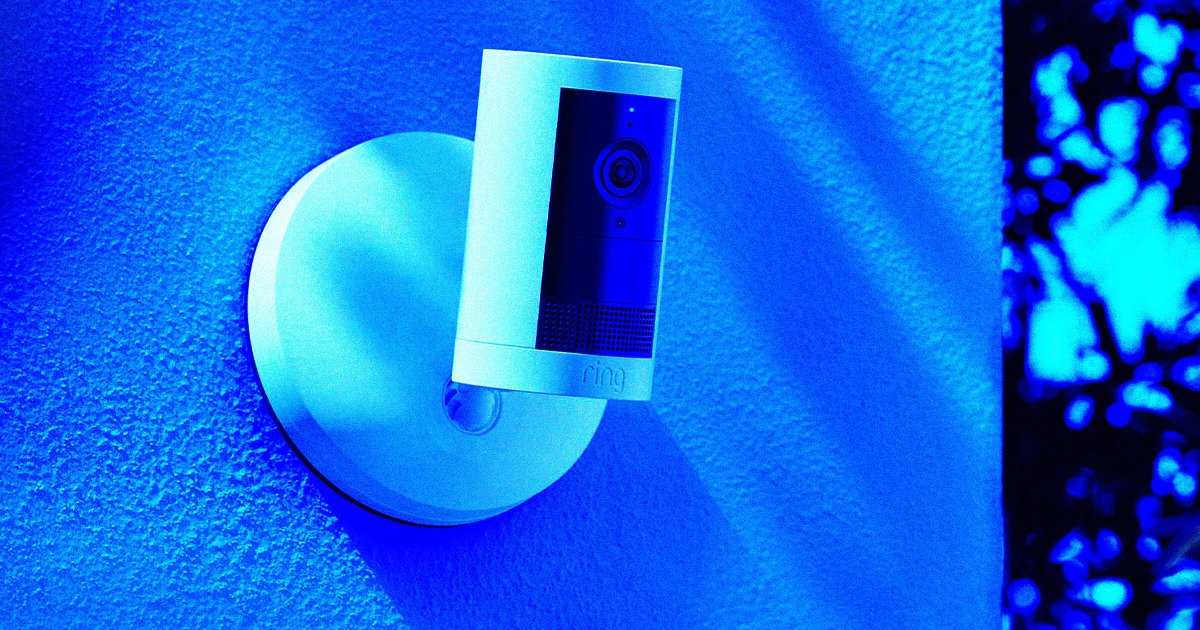
Hacking the Ring Camera: A Fight for Consumer Control and Data Sovereignty
The world of cybersecurity is often marked by a delicate balance between technological advancements and individual rights. Recently, the Fulu Foundation, a non-profit organization advocating for digital ownership over consumer goods, has launched a campaign to challenge the terms of service found in many smart home devices, including Ring's popular video doorbell cameras. With a bounty of over $11,000 on offer, hackers are being incentivized to crack the code and develop a solution that allows Ring users to store footage locally, rather than relying on Amazon servers. In this article, we'll delve into the world of hacking and explore the implications of this campaign.
The Fulu Foundation was founded by tech repair YouTuber Louis Rossman, who aims to promote digital ownership over consumer goods. The organization has already attracted significant attention with three active bounties: the Xbox Series X, the GE Refrigerator SmartWater Filter, and, most notably, Ring's video doorbell camera. For those unfamiliar with Fulu, the organization's primary goal is to encourage hacktivists to develop modifications that remove harmful features from consumer devices.
The Ring bounty, which has garnered substantial attention in recent weeks, offers a unique opportunity for hackers to demonstrate their skills and contribute to a cause that resonates with many consumers. The proposed solution should not only prevent the device from sending data to Amazon servers but also grant the user total control over the video doorbell, allowing them to integrate it directly with a local PC or server using either Wi-Fi or a physical connection.
According to Kevin O'Reilly, Fulu cofounder, "People who own security cameras bought them to make their homes more secure. But without control of the video those cameras generate, Ring owners might actually be making them less so." This statement highlights the importance of data sovereignty and individual control in the digital age. As consumers, we often accept terms of service without fully understanding the implications, but O'Reilly's words serve as a poignant reminder that true security begins with control.
There are some caveats to this bounty, however. The solution should be feasible using "readily available" tools, and it must work on at least one model of Ring cameras released after 2021. Fulu is also matching up to the first $10,000 added to the bounty fund, ensuring that potential contributors have a clear incentive to take on this challenge.
The impact of this campaign extends beyond the realm of hacking and cybersecurity. The controversy surrounding Ring has sparked heated debates about surveillance and data collection. The company's recent Super Bowl ad, which showcased its ability to track individuals across multiple devices, was widely criticized as dystopian and alarming. In response, some owners have taken matters into their own hands, smashing their cameras in protest.
The Fulu Foundation's efforts serve as a powerful reminder that individual control and data sovereignty are essential components of true security. As we navigate the complex world of smart home devices, it's crucial to consider the trade-offs we make when accepting terms of service. By hacking the Ring camera and giving users more control over their data, we can begin to reclaim our digital rights and build a more secure future.
In conclusion, the Fulu Foundation's campaign to hack the Ring camera is a call to action for consumers and hackers alike. With its bounty fund matching up to $11,000, this challenge offers a unique opportunity for individuals to demonstrate their skills while contributing to a cause that resonates with many. As we move forward in an increasingly digital world, it's essential to prioritize data sovereignty and individual control – the future of cybersecurity depends on it.