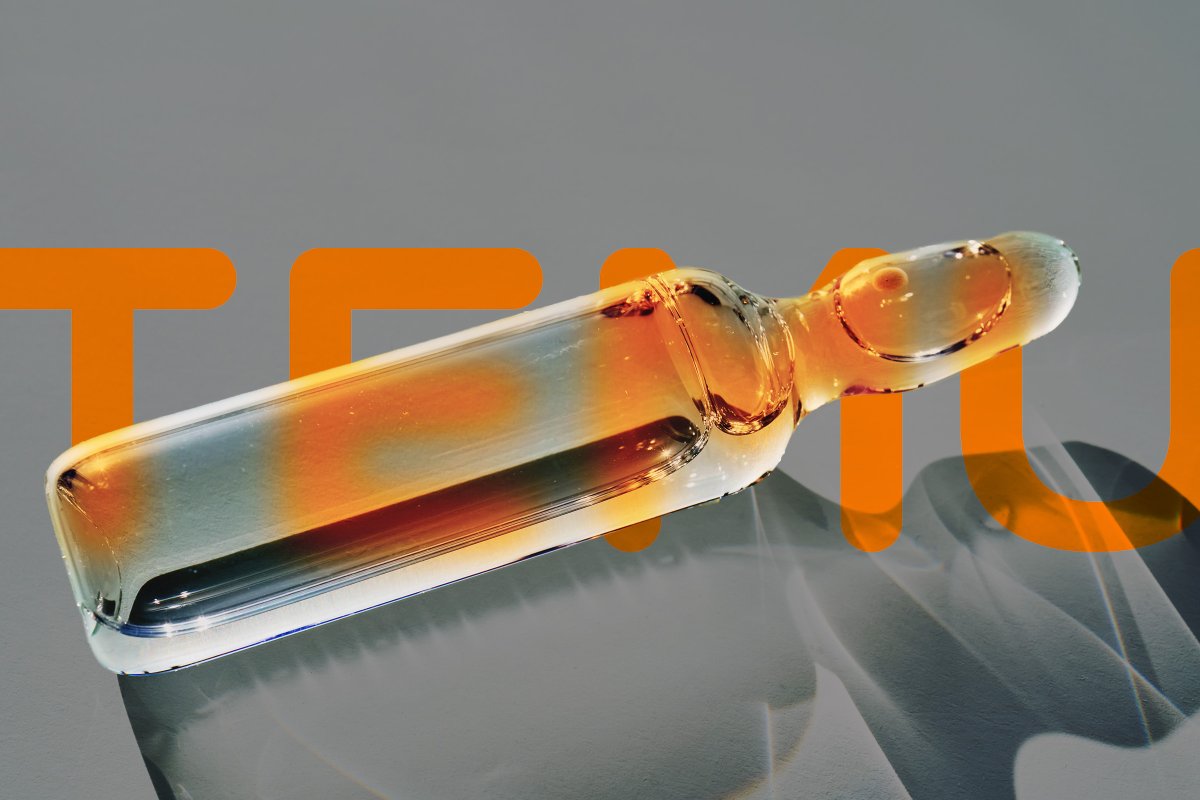
Peptide Panic: How Temu's Biohacking Hub is Selling Questionable Peptides to Tech Brobies
Silicon Valley's fascination with biohacking has taken an alarming turn as the trendy e-commerce site Temu starts selling peptides, raising concerns about the safety and authenticity of these chemical substances. To understand why this matters, let's dive into the world of peptides – short chains of amino acids that act as signalers, telling our cells what to do. While many peptides occur naturally in our bodies, others are synthetic and have been rigorously studied in human patients.
Recently, biohackers in San Francisco have been flocking to Temu, a platform known for its cheap goods and labor issues, to buy peptide products at rock-bottom prices. For instance, you can get three bottles of BPC-157, a peptide derived from human stomach bile, for just $12. Some products are even marketed as skin-firming agents or muscle growth enhancers, with prices starting at $4.14 for a 12-pack. However, the lack of regulation in the US and the murky nature of the marketplace make it challenging to verify the authenticity and safety of these products.
The site lists many products labeled as GLP-1s that contain ingredients other than actual GLP-1s, raising questions about the efficacy and potential harm of these substances. The New York Times reports that Americans are increasingly sourcing peptides directly from chemical manufacturers in China, often with labels marked "for research use only." This allows them to be shipped as a powder, which is then mixed with water before being injected or consumed through an IV.
The ecosystem surrounding peptide sales has created a perfect storm of risk-taking and DIY experimentation. As one San Francisco-based supplier told the NYT, "Our average customer is closer to a Starbucks barista." However, it was techies who were among the first to jump on the peptide bandwagon due to their willingness to take risks. This raises concerns about the potential for these substances to be misused or adulterated.
Temu responded to our inquiry by stating that they are a "third-party marketplace" subject to platform rules and controls. They prohibit the sale of products containing peptides listed as bulk drug substances by the US FDA, products making therapeutic claims without proper authorization, and sterile needles or syringes intended for injection. Listings that violate these policies are removed upon identification.
Since our initial investigation, many listings featuring glass vials and syringes disappeared from the search results, and queries for "peptides" or specific variants like "GLP-1s" now only return listings for topical creams and ointments. While Temu has taken steps to remove problematic listings, it is essential to acknowledge that the platform's regulatory environment is not always effective in preventing the sale of questionable products.
As the popularity of peptides continues to grow among tech enthusiasts and health-conscious individuals, it is crucial for consumers to exercise caution when purchasing these substances. While some peptide products may have legitimate benefits, others may pose serious health risks due to contamination, adulteration, or insufficient regulation. As we move forward, it will be essential to monitor the situation and ensure that regulatory bodies are equipped to address the emerging issue of peptide sales on online marketplaces.
Conclusion:
The rise of peptides on Temu highlights the need for stricter regulations in the US and increased awareness about the potential risks associated with these substances. As consumers, it is essential to prioritize our health and well-being by being informed and cautious when exploring alternative medicine options. In this rapidly evolving landscape, staying vigilant and seeking credible sources of information will be crucial in avoiding the pitfalls of the peptide hype.
Stay up-to-date with the latest news on cybersecurity and hacking by following us on social media: Twitter | Facebook | LinkedIn