**Fixing Sony and Philips' Doomed CD-i Console**
The CD-i - a name that evokes memories of early 90s multimedia experimentation and, for many, the pinnacle of gaming failure. Yet, amidst its laughable reputation as a console, lies a fascinating glimpse into the CD-based future envisioned by Sony and Philips in the late 80s and early 90s.
The original CD-i was released in 1990, intended as an all-purpose multimedia device rather than a dedicated game console. However, its gaming potential eventually led to the release of a few notable titles that cemented the CD-i's place in gaming history - much to the dismay of Nintendo, who still get upset about it today.
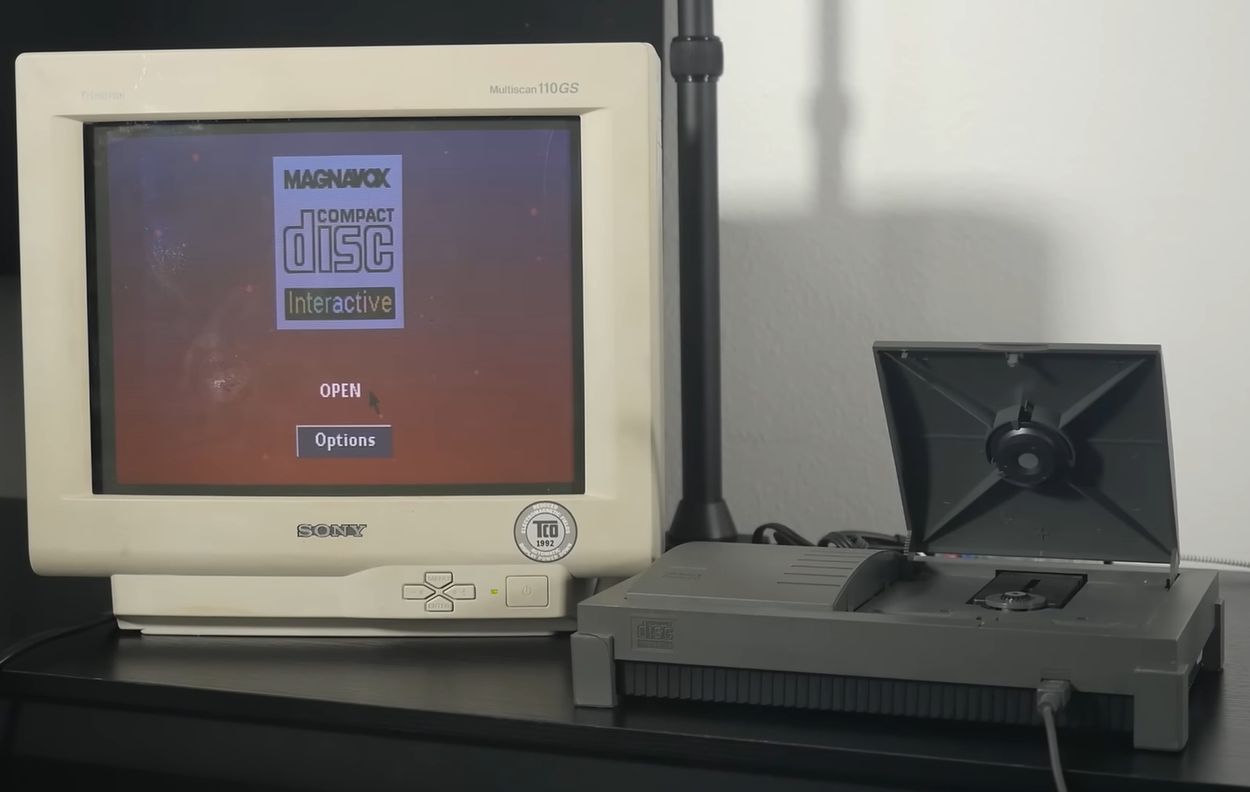
Recently, MattKC, a tinkerer with a passion for retro tech, purchased another CD-i in a fit of nostalgic rage. His mission? To repair and revive one of the more gaming-oriented models - the Magnavox CD-i 450, introduced in 1994.
The device MattKC acquired was one of the later models, plagued by issues that are all too common with older devices using optical media. For starters, it refused to read discs altogether, often booting up with a 'Memory Full' error. The culprit behind this problem? A non-functional internal battery in the ST Timekeeper device, responsible for storing RAM values and maintaining system integrity.
The ST Timekeeper, as its name suggests, relies on a built-in lithium battery with an estimated 10-year lifespan. After this time frame, the battery's accumulated memory retention period is compromised, leading to random glitches like the 'Memory Full' error when garbage values are read in during boot-up. The only solution? Replace the entire module or, more elegantly, upgrade it with an external CR2032 coin cell - a modification MattKC decided to pursue.
To facilitate this upgrade, MattKC used a Dremel to carefully chop off the top half of the Timekeeper chip, making way for an open replacement that contains the crystal and a CR2032 holder. The result? A clean-looking mod that not only resolved the 'Memory Full' issue but also made it easy to replace the lithium cell in the future.
However, this intervention didn't quite address the device's CD player woes. The CDM 12.1 CD player mechanism, a standard module used by Philips throughout its consumer electronics, is notorious for failing. Fortunately, in MattKC's case, it wasn't the laser module that had given up - but rather a stuck turntable. A gentle prod was all it took to loosen it, and the mechanism could read CDs once more.
While the CD-i may have been a commercial failure during its heyday, it has since developed a thriving community of enthusiasts who continue to breathe new life into these devices through mods and hacks. The consoles are relatively affordable, easy to hack, and offer a unique opportunity to experience classic Nintendo titles on real hardware.
For those willing to explore the world of retro tech and gaming history, MattKC's journey serves as an inspiring example of how even the most obscure devices can be revived and repurposed. Who knows? You might just discover your own passion for tinkering with outdated technology and uncovering its hidden potential.
**About the Author:**
* If you're interested in learning more about retro tech, check out MattKC's profile on Hackster.io. * Explore the world of CD-i enthusiasts and developers through online forums like CDi-Forum. * If you're feeling adventurous, consider purchasing your own CD-i console to breathe new life into it - or simply to experience its quirky charm.